Red Means Stop: The Railroad Disaster and One-Armed Inventor Behind America's Traffic Signal
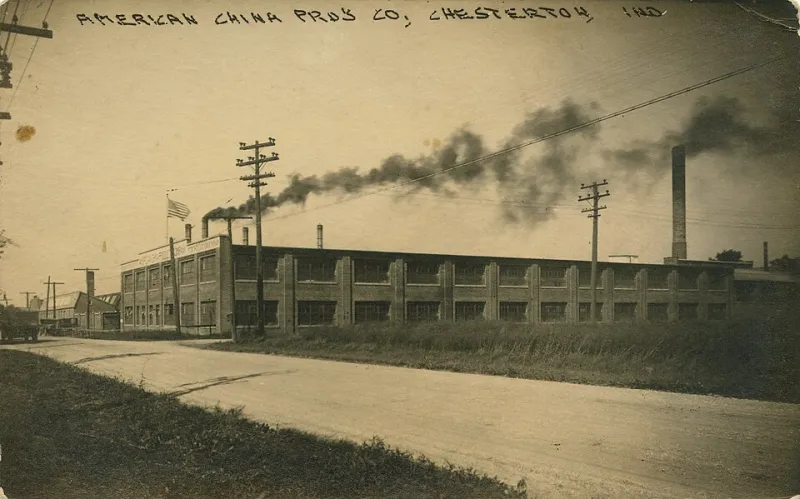
Photo: Steve Shook from Moscow, Idaho, USA, CC BY 2.0, via Wikimedia Commons
Red Means Stop: The Railroad Disaster and One-Armed Inventor Behind America's Traffic Signal
You've stopped at tens of thousands of red lights in your life. You've never once questioned why red means danger or why green means go. It just does — the way the alphabet just starts with A, or a dollar bill just has George Washington on it. It feels like the kind of thing that was always true.
It wasn't. And the road to those three familiar colors is a lot stranger — and bloodier — than you'd expect.
Trains Ran the First Red Lights
Before cars were a problem, trains were. By the mid-1800s, American railroads were expanding at a breakneck pace, and collisions were killing people with disturbing regularity. Railroad companies needed a way to tell engineers whether the track ahead was clear, and they needed something visible from hundreds of feet away, through smoke, rain, and fog.
They borrowed a system from maritime signal flags. Red had long meant danger at sea — partly because it was vivid, partly because red dyes were among the most stable and visible pigments available. Green was initially used to mean caution, while white or clear light meant all clear. That system worked tolerably well until a lens fell out of a signal lantern one night, and an engineer mistook the resulting white light for a go-ahead. The crash that followed pushed railroads to reassign green as the proceed signal and drop white entirely. By the 1860s, red-stop and green-go were baked into American railroad culture.
Nobody was thinking about cars yet. Cars barely existed.
Cleveland Gets Complicated
By the early 1900s, that had changed dramatically. American cities were filling up with automobiles, horse-drawn carriages, electric streetcars, and pedestrians — all sharing the same streets with zero coordination. Intersections in major cities were essentially controlled chaos. Police officers stood in the middle of intersections waving their arms, blowing whistles, and hoping for the best.
In 1914, Cleveland became the first American city to install an electric traffic signal — a simple two-color device using red and green, borrowed directly from railroad logic. It was operated manually by a police officer standing in a booth nearby. It helped, but it was clunky, expensive to staff, and still relied on human reaction time.
That's where Garrett Morgan enters the story.
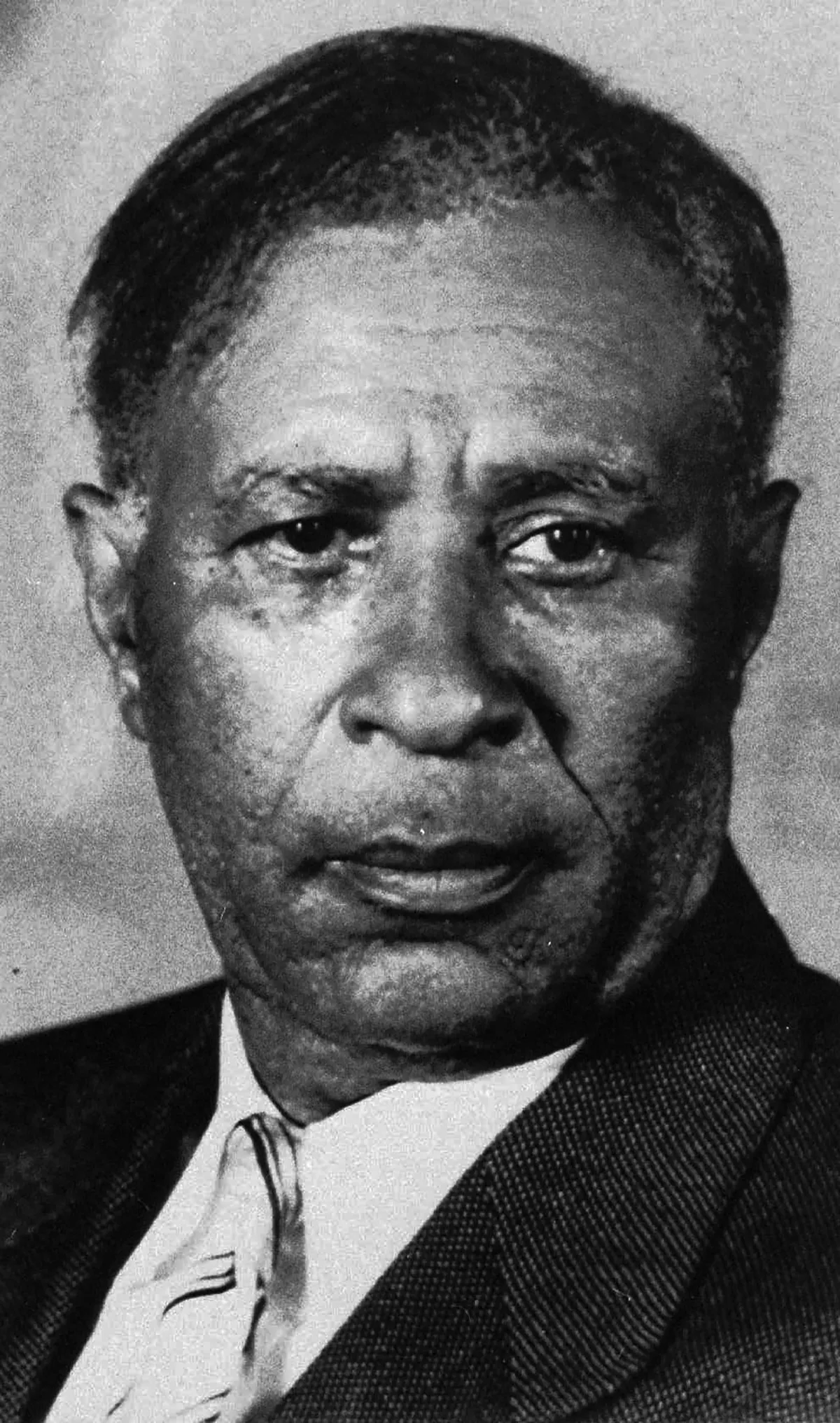 Photo: Garrett Morgan, via nypost.com
The Man Who Wouldn't Take No
Morgan was a Black inventor and entrepreneur in Cleveland who had already made a name for himself — and a small fortune — by inventing an early version of the gas mask, which he sold to fire departments and which saved lives during a tunnel disaster under Lake Erie in 1916. He was methodical, practical, and deeply uninterested in being told an idea wouldn't work.
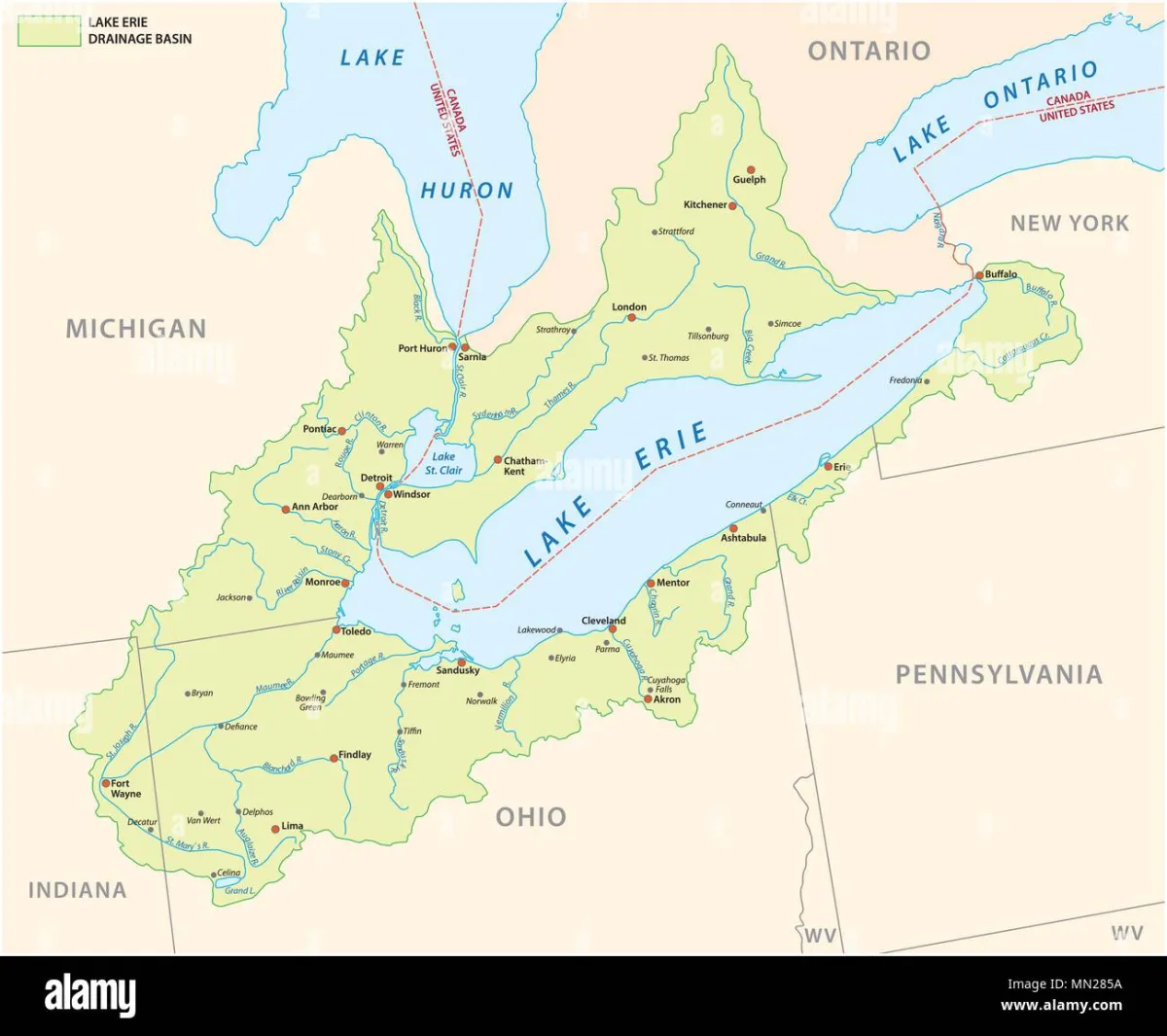 Photo: Lake Erie, via c8.alamy.com
In 1923, Morgan patented a T-shaped traffic signal with a third position: a warning stage that halted all directions of traffic simultaneously before the light changed. It was designed to give the intersection a moment of full stop — a brief pause to clear pedestrians and slow vehicles before the new flow of traffic began. The concept was simple, but it addressed a real problem that two-color signals had ignored: the dangerous gap between one direction stopping and the other starting.
Morgan's signal was manually operated and designed for intersections where a human attendant wasn't practical. He sold the patent to General Electric for $40,000 — a significant sum at the time — and GE took the technology national.
The catch? City engineers in multiple municipalities initially pushed back. Traffic signals were considered an unnecessary expense. Police departments believed they could manage intersections with officers. The bureaucratic resistance was real, and Morgan had to fight it city by city.
The Yellow Middle Ground
Morgan's three-position concept laid the groundwork for the three-color sequence we use today, though the evolution wasn't immediate. Yellow as a caution signal began appearing in the late 1910s and early 1920s, inspired again by railroad signaling — where yellow had been used to indicate a train should slow and prepare to stop. The first recorded use of a three-color traffic light using red, yellow, and green in the pattern we recognize today is generally traced to Detroit and New York around 1920, with various inventors and municipalities claiming pieces of the credit.
By 1935, the Federal Highway Administration had issued the first uniform standards for traffic signals across the country, locking in red-yellow-green as the national language of American roads. The argument was finally over.
Why It Still Matters
What's remarkable about this story isn't just the colorful history — it's how much of what feels like pure logic was actually improvised. The color assignments came from maritime flags and railroad custom. The three-phase sequence came from a Cleveland inventor who had to fight city hall to get anyone to listen. The national standardization came decades after the technology existed, pushed through by federal bureaucrats trying to impose order on a patchwork of local systems.
The next time you're sitting at a red light, tapping the steering wheel and waiting for green, consider that you're participating in a system stitched together from train wrecks, patent disputes, and one man's stubborn refusal to accept that his idea wasn't worth the trouble.
It was worth the trouble. About 300 million American drivers prove that every single day.