The Army Paint Pigment That Ended Up in Every American Kindergarten
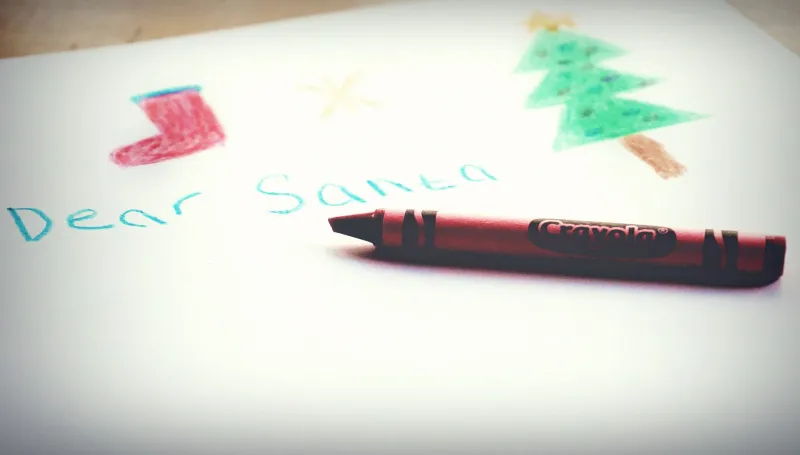
Every American who grew up before the 1990s probably remembers the crayon. It sat in the box like a perfectly ordinary stick of wax, labeled in that familiar blocky font. But the name printed on its paper sleeve carried an assumption so large that it took decades — and a national civil rights movement — to finally call it out.
The crayon was called Flesh.
And the story of how it got there starts not in a schoolroom, but in a military supply depot.
Surplus Pigments and a Postwar Windfall
After World War II, American manufacturers found themselves sitting on enormous stockpiles of industrial materials that the war machine no longer needed. Pigment suppliers were no exception. Certain color compounds — developed specifically to coat military equipment, camouflage netting, and field hardware — suddenly had no buyer.
Binney & Smith, the company behind Crayola, was always looking for ways to keep production costs down. In the late 1940s and early 1950s, buying surplus pigment in bulk was simply good business. Some of those pigments were repurposed into the expanding Crayola line, which was growing rapidly as postwar baby boom families filled American classrooms with millions of new students who all needed art supplies.
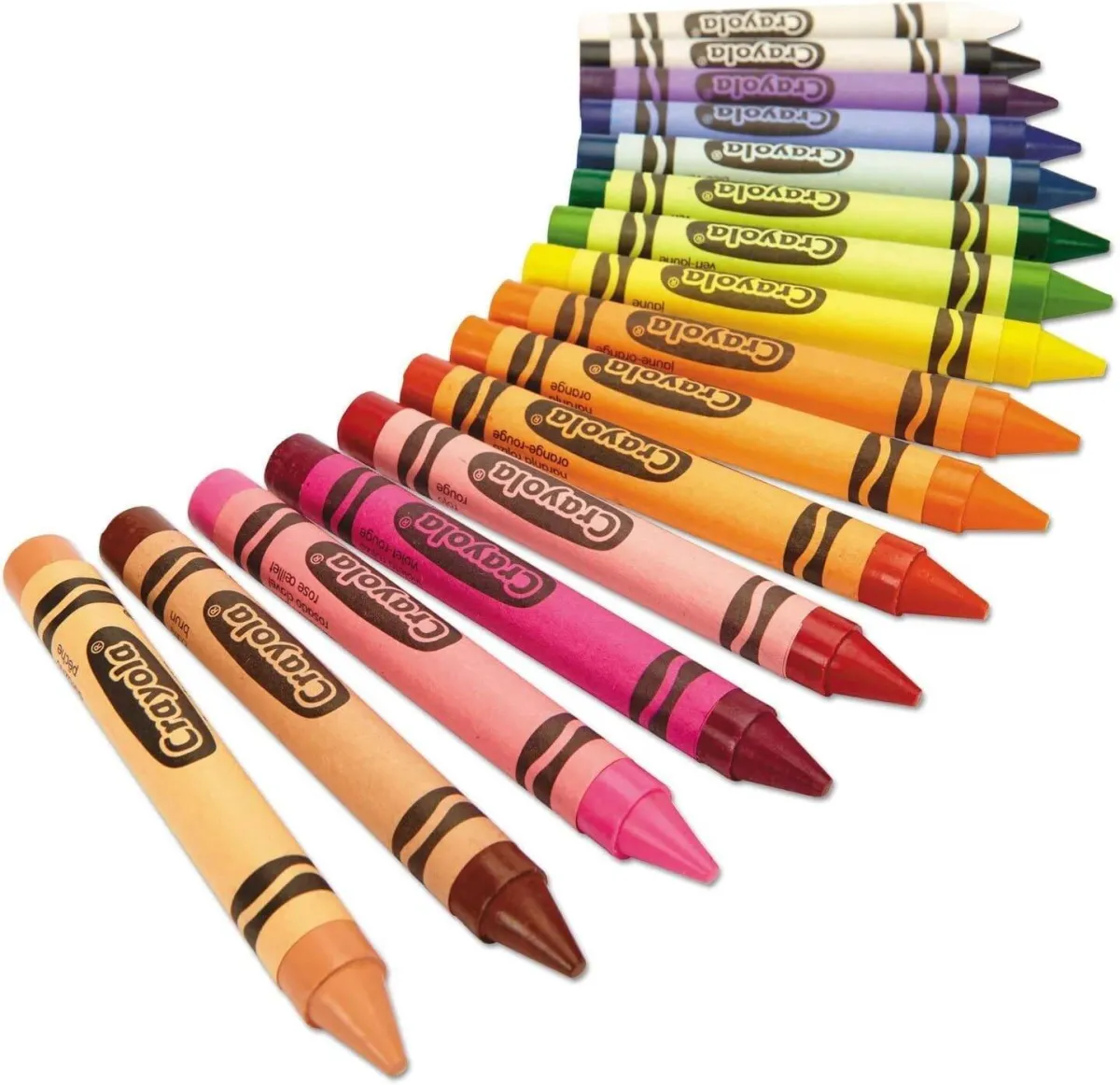 Photo: Binney & Smith, via microless.com
One of those repurposed shades was a warm, pinkish-beige tone — originally blended for painting certain military-grade surfaces where a neutral, skin-adjacent color was needed for equipment used in temperate climates. Mixed with the standard wax base, it produced a smooth, consistent crayon.
Binney & Smith gave it a name that felt logical, even obvious, to the people making the decision: Flesh.
The Assumption Baked Into the Box
To understand why that name mattered, you have to understand the mid-century American classroom. Art education in the 1950s was built around a very specific vision of the world. Children were encouraged to draw themselves, their families, their neighborhoods. And when a child reached for the crayon that was officially called Flesh, the message embedded in that label was clear: this color is what people look like.
For white children in suburban America, the crayon more or less matched their skin. For the millions of Black, Latino, and Asian American children sitting in those same classrooms, it did not — but the label told them it was supposed to.
This wasn't a deliberate act of malice by the people at Binney & Smith. It was something arguably more insidious: a casual, unconsidered assumption built into a product that would be handed to children every single day. The color wasn't designed to exclude. It was designed by people who simply didn't think to include.
And for over a decade, nobody in a position to change it did.
1962: A Small Box Enters a Big Conversation
By the early 1960s, America was changing fast. The civil rights movement was forcing the country to examine the ways that racial bias had been quietly engineered into everyday life — in housing, in hiring, in education, and yes, in something as seemingly trivial as a crayon label.
Activists and educators began pointing out the obvious: calling one specific shade Flesh was a statement. It told children of color that their skin tone fell outside the default definition of human. It was a small thing, but small things in classrooms have a way of compounding over years.
In 1962, Binney & Smith quietly renamed the crayon. The new name was Peach.
The company didn't hold a press conference. They didn't issue a formal statement about civil rights. They just changed the label. But the ripple effect was real. Teachers noticed. Parents noticed. The story got picked up in newspapers, and suddenly a crayon box had become a conversation about whose experience gets treated as the norm in American life.
The Longer Echo
The 1962 renaming didn't solve everything — Crayola wouldn't introduce a genuinely diverse range of skin-tone crayons until the 1990s, when the company released its Multicultural set with eight different shades designed to reflect the actual range of human skin colors. Later expansions brought that number higher still.
But the Flesh-to-Peach moment was a pivot. It was one of the first times a major American consumer brand acknowledged, however quietly, that a product's default assumptions could carry cultural weight.
The pigment itself — that warm, pinkish-beige borrowed from military surplus — is still in the box today, still being used by kids to color drawings of clouds and sunsets and cartoon cats. It's just no longer telling anyone what a person is supposed to look like.
Why It Still Matters
The story of the Flesh crayon is easy to dismiss as a footnote. It's a crayon. But the reason it stuck in the cultural memory — the reason it still gets cited in design ethics courses and diversity training programs — is that it illustrates something important about how products carry assumptions.
The people who named that crayon weren't thinking about what message the label sent. They were thinking about production costs and color consistency and getting art supplies into schools. The problem was precisely that they weren't thinking about it.
The lesson from a surplus pigment and a mislabeled wax stick is the same one designers and manufacturers are still working through today: the things you don't question are often the things that need questioning most.
Somewhere in a landfill, there are probably millions of those old paper sleeves, still printed with the word Flesh in that familiar Crayola font. A small artifact of a time when the default went unexamined — until the country got loud enough that even a crayon box had to listen.