The Stubborn Inventor Who Had to Hire Fake Shoppers to Change How America Eats

You push one every single week. You probably grip the handle without thinking, load it up with more than you planned to buy, and wrestle it into a parking spot on your way out. The shopping cart is so deeply woven into American life that imagining a grocery store without one feels almost absurd.
But there was a moment — not that long ago — when real people looked at the shopping cart and said, flatly, no thanks.
The Problem With Carrying Everything
In the mid-1930s, Sylvan Goldman ran a small chain of grocery stores in Oklahoma City called Humpty Dumpty. Like most retailers of the era, his stores handed customers a hand-held basket when they walked in. The system worked fine — right up until the basket got heavy. Once shoppers felt the weight pulling at their arms, they stopped picking things up. Full hands meant done shopping. Goldman watched sales stall at exactly the moment customers still had money to spend.
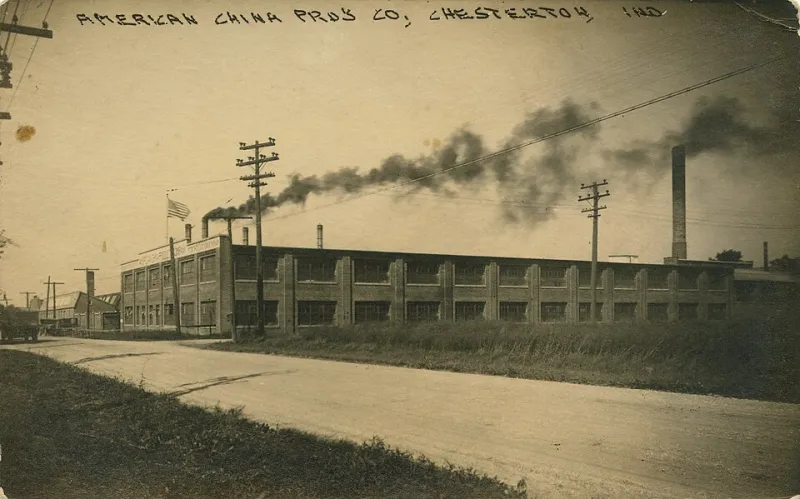
 Photo: Humpty Dumpty, via wallpapers.com
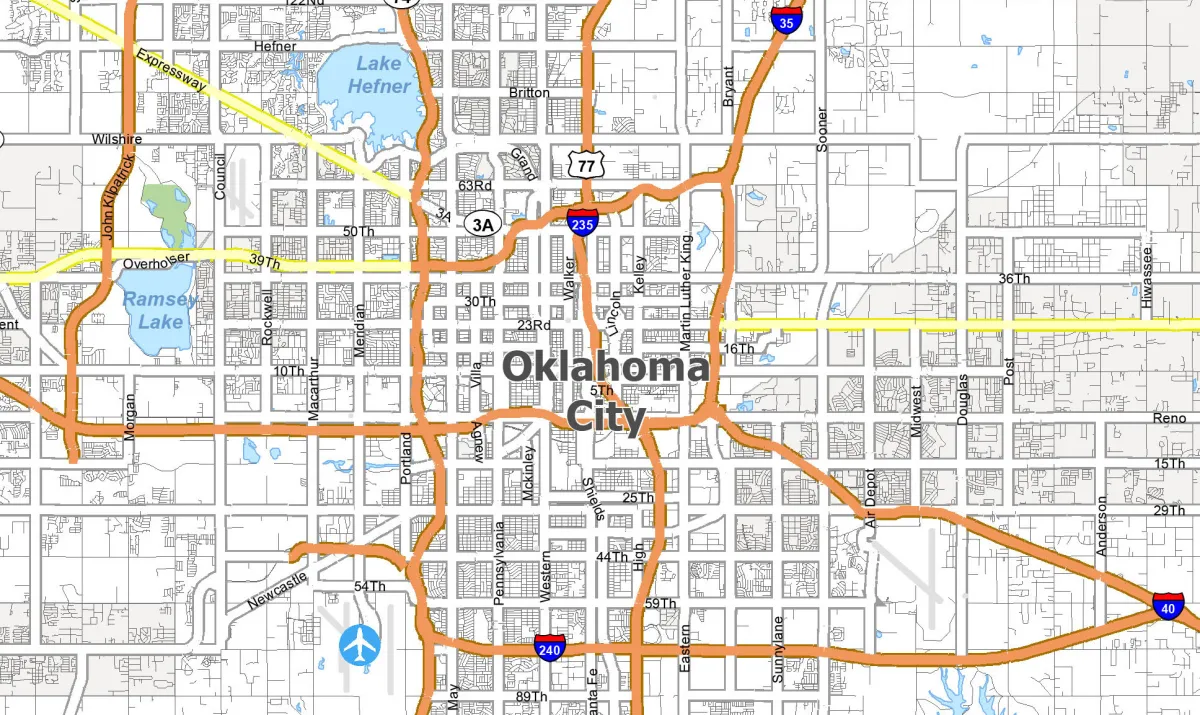 Photo: Oklahoma City, via gisgeography.com
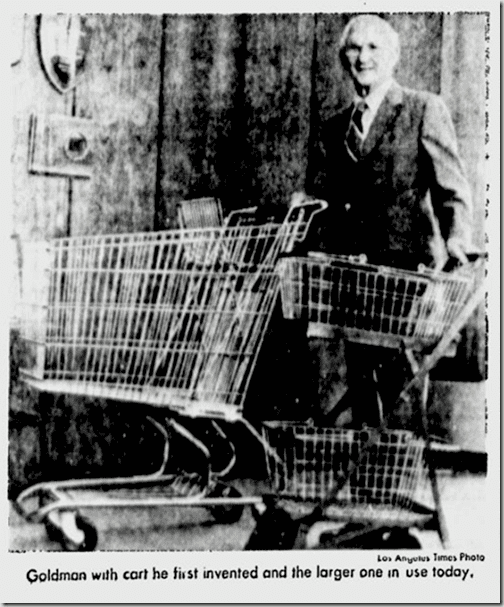 Photo: Sylvan Goldman, via alchetron.com
He started tinkering. The idea that came to him was almost embarrassingly simple: put the basket on wheels. Take the weight off the arms and let the floor carry it. Working with a maintenance man named Fred Young, Goldman sketched out a folding metal frame fitted with two wire baskets stacked on casters. They built a prototype in 1937 using a folding wooden chair as the basic structure. Goldman called it the "Folding Basket Carrier."
He was convinced he'd solved retail.
Nobody Wanted It
The first morning Goldman rolled his new carts out onto the Humpty Dumpty floor, he waited. Customers walked in, spotted the carts near the entrance, and kept walking. Women told him they'd spent their whole lives carrying baskets — they didn't need a contraption to do it for them. Men said the cart looked like something for people who couldn't manage on their own. Younger shoppers just didn't bother.
Goldman tried explaining the carts to customers personally. He put up signs. He stationed store employees at the entrance to demonstrate. Nothing moved the needle. The carts sat there, unused, while shoppers grabbed hand baskets and moved on.
Rather than pull the invention, Goldman did something that today would be called a marketing stunt. He hired actors — men, women, and older shoppers specifically chosen to look like a cross-section of his actual customer base — and paid them to push carts around the store during business hours. Real customers watched the planted shoppers loading up their wheeled baskets, and something shifted. If other people were doing it, maybe it wasn't so strange after all.
Within weeks, real customers started picking up the carts on their own.
From One Store to the Entire Country
Goldman patented the design and founded the Folding Basket Carrier Company to manufacture and lease carts to other retailers. By the early 1940s, grocery stores across the country were placing orders. Goldman reportedly had a waiting list stretching years out.
The timing was almost perfect. Post-war America was exploding into the suburbs, and supermarkets were growing to match. Stores that had once occupied a single city block were expanding into vast floor-plan layouts designed specifically around the assumption that customers would wheel a cart through long aisles rather than carry a basket to a counter. The cart didn't just fit the new supermarket — it helped design it.
Store planners began organizing products around cart behavior. Staples like milk and eggs migrated to the back of the store, forcing customers to travel past everything else first. Aisle widths were standardized to fit two carts passing each other. End-cap displays — those product clusters at the top and bottom of each aisle — became prime real estate because cart-pushing customers naturally slowed there.
The cart quietly rewired the entire logic of how food was sold.
The Pantry Gets Bigger
There's another consequence that's easy to overlook. Before the shopping cart, most Americans bought groceries in small, frequent trips. You bought what you could carry. The cart changed the psychology of shopping almost overnight — suddenly, buying in bulk wasn't just possible, it felt natural. Why grab one can of soup when the cart had room for six?
American homes responded. Kitchen pantries expanded. Refrigerators grew larger. Freezers became a standard household item partly because people were now coming home with far more food than they used to. The suburban kitchen of the 1950s and '60s — with its deep shelves and double-door fridge — was, in a quiet way, built around the assumption that someone had recently pushed a cart through a supermarket.
Goldman lived to see all of it. He died in 1984, having watched his folding wire frame become one of the most ubiquitous objects in American daily life. There are now an estimated 35 million shopping carts in use across the United States.
The Lesson in the Wire Frame
What makes Goldman's story stick isn't just the invention — it's the gap between the idea and its acceptance. He had a genuinely useful product and a room full of people who didn't want it. His solution wasn't to redesign the cart. It was to show people that other people were already using it.
That instinct — that behavior is contagious, that people take cues from each other more than from logic — turned out to be exactly right. And it turned a rejected wire basket on wheels into the invisible infrastructure of American food culture.
Next time you load up a cart without thinking, you're living inside a 1937 Oklahoma City experiment that almost never got off the ground.