The Medicine That Fizzed Its Way Into American Culture
The Pharmacist's Fizzy Failure
In 1807, Dr. Philip Syng Physick walked into his Philadelphia pharmacy with what he believed was a breakthrough. The respected physician had been experimenting with artificially carbonated water, convinced it could replicate the healing properties of natural mineral springs that wealthy patients traveled hundreds of miles to visit.
Physick's idea seemed brilliant: bottle the bubbles and bring European spa treatments to American medicine cabinets. He'd spent months perfecting his carbonation process, investing his own money in specialized equipment to infuse water with carbon dioxide gas.
But when Physick presented his medicinal carbonated water to the Philadelphia medical establishment, they weren't impressed. Colleagues dismissed his fizzy concoction as unnecessary and unproven. The patent application he filed was quietly rejected. His bottles of bubbly water gathered dust.
From Pharmacy Shelf to Soda Fountain
What Physick couldn't have predicted was that his medical failure would catch the attention of entrepreneurs looking for the next big thing in refreshments. By the 1830s, soda fountain operators had discovered his forgotten formula and saw something entirely different: not medicine, but pleasure.
These early soda jerks realized that Physick's carbonated water made an excellent base for flavored syrups. They began experimenting with fruit extracts, herbs, and sweeteners, creating what they called "soda water" – a term that stuck for generations.
The transformation was accidental but profound. A rejected medical treatment became the foundation of American social culture. Soda fountains popped up in pharmacies, general stores, and dedicated shops across the country. By the 1850s, carbonated beverages had evolved from Physick's medicinal experiment into a booming commercial enterprise.
The Accidental Empire Builders
John Matthews, a British immigrant and former apprentice to Joseph Priestley (the scientist who first discovered carbonated water), took Physick's concept and industrialized it. Matthews built the first large-scale carbonation machines and began supplying soda fountains throughout New York City.
 Photo: John Matthews, via f4.bcbits.com
But it was the fountain operators themselves who turned carbonation into an art form. They competed to create signature flavors, developing the elaborate rituals of soda preparation that made visiting a soda fountain a social event. The hiss of carbonation, the theatrical mixing of syrups, the ornate fountain equipment – all of this theater grew from Physick's simple attempt to bottle medicinal water.
When Bubbles Went Mobile
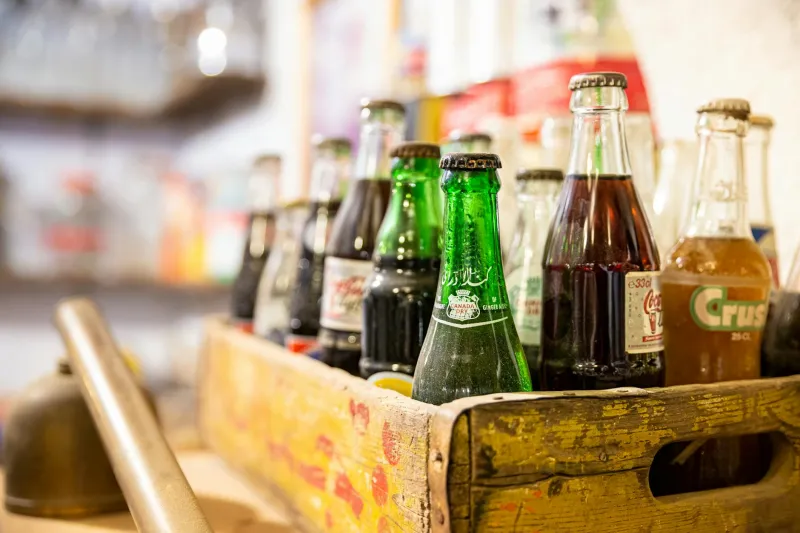
The real revolution came when entrepreneurs figured out how to bottle carbonated beverages for home consumption. In 1886, Dr. John Pemberton created Coca-Cola as a patent medicine containing carbonated water. By the 1890s, bottling technology had advanced enough to preserve carbonation during transport.
This shift from fountain to bottle transformed American drinking habits. Carbonated beverages went from special occasion treats to everyday refreshments. The portability factor meant Americans could enjoy their fizzy drinks anywhere – at home, at work, at picnics.
The Cultural Fizz Factor
What started as Dr. Physick's failed medical experiment had accidentally created something far more significant: a new category of American consumer culture. Carbonated beverages became deeply embedded in social rituals, from ice cream floats at birthday parties to Coca-Cola at baseball games.
The fizz itself became psychologically important. The carbonation provided a sensory experience that flat drinks couldn't match – the tingle on the tongue, the audible pop of opening a bottle, the visible bubbles rising in the glass. These elements turned drinking into entertainment.
The Modern Legacy
Today's $200 billion global soft drink industry traces directly back to Physick's rejected patent. Every can of Coke, every craft soda, every sparkling water owes its existence to a Philadelphia pharmacist who just wanted to help his patients avoid expensive trips to mineral springs.
The irony is perfect: the medical establishment rejected Physick's carbonated water as useless, but Americans embraced it as essential. His failed medicine became the foundation of an industry that now influences everything from restaurant profits to childhood nutrition debates.
Next time you hear the satisfying hiss of opening a carbonated beverage, remember Dr. Physick – the man whose medical failure accidentally taught America to love the fizz.