The Wallpaper Cleaner Nobody Wanted That Became Every Kid's Favorite Toy
The Wallpaper Cleaner Nobody Wanted That Became Every Kid's Favorite Toy
There's a smell that stops adults cold. A soft, faintly salty, vaguely vanilla-adjacent scent that doesn't belong to any flower or food — and yet the moment it hits, people smile. It's Play-Doh. And the reason it exists at all has nothing to do with children, creativity, or toy design. It has everything to do with a cleaning product that completely failed at its only job.
The Problem With Postwar Wallpaper
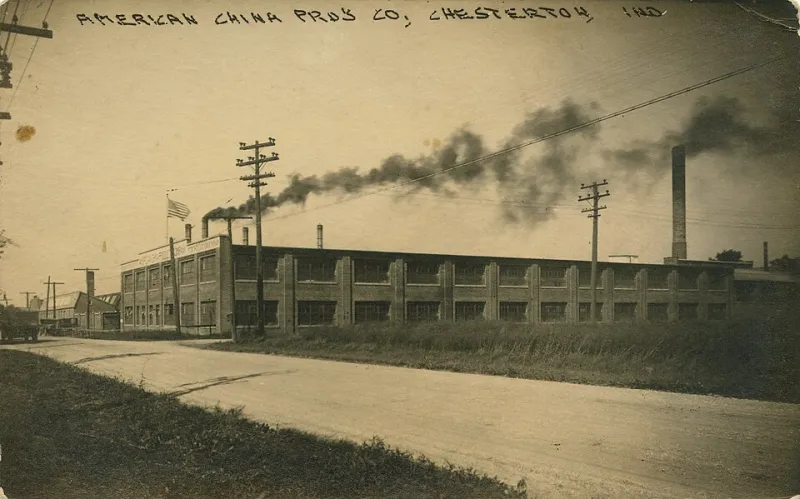
After World War II, American homes were changing fast. Coal furnaces were getting replaced by cleaner gas and oil heating systems, which meant something subtle but significant: the sticky black soot that used to coat interior walls was disappearing. That might sound like good news — and it was, for homeowners. But it was a disaster for Noah McVicker, a Cincinnati-based compound manufacturer whose family business sold a soft, pliable dough-like putty designed specifically to scrub soot off wallpaper without tearing it.
 Photo: Noah McVicker, via i.insider.com
The product worked fine for its original purpose. But as coal heat faded from American homes through the late 1940s and into the 1950s, demand for wallpaper cleaner cratered. The compound McVicker's company made — a non-toxic, reusable, pliable paste — had no obvious market left. The product wasn't dangerous. It wasn't broken. It was just useless.
McVicker's sister-in-law, a nursery school teacher in Cincinnati named Kay Zufall, changed that entirely.
 Photo: Kay Zufall, via mujeresbacanas.com
The Classroom That Changed Everything
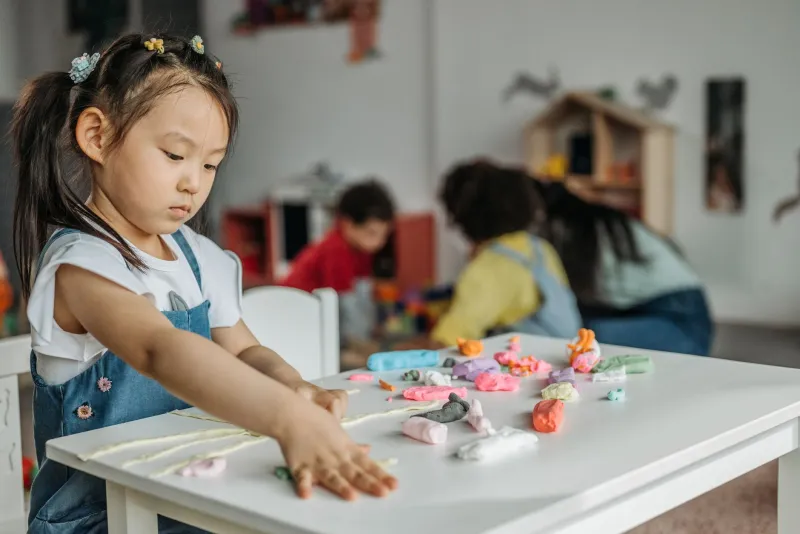
In 1954, Zufall was preparing a holiday craft session for her young students and looking for a modeling material. The clay available at the time was stiff, hard on small hands, and not particularly fun to work with. Someone mentioned that her brother-in-law's company happened to make a soft, pliable compound that was sitting in a warehouse going nowhere. She got a sample.
The kids loved it.
It was soft enough for small fingers to shape without effort. It didn't dry out quickly. It didn't stain. And it had that smell — that particular, hard-to-describe scent that came from the compound's specific mix of water, salt, boric acid, and a few other ingredients. Children gravitated toward it immediately.
Zufall pushed McVicker to reposition the compound as a children's modeling material. He was skeptical at first — the family business was in industrial compounds, not toys. But with the cleaning market evaporating, he had limited options. He reformulated the product slightly, removed any remaining cleaning agents, and began pitching it to schools.
From Schools to Store Shelves
The early distribution strategy was almost accidental in itself. McVicker managed to get the product in front of a local television station in Cincinnati that ran a popular children's program. The hosts demonstrated it on air. Within days, calls were coming in from parents asking where to buy it.
By 1956, the rebranded product — now called Play-Doh — had been picked up by Rainbow Crafts and was hitting department store shelves nationwide. First-year sales reportedly reached around $3 million. The following year, they doubled.
What had been a warehouse full of unwanted wallpaper cleaner became one of the fastest-selling new products in the American toy market. By the early 1960s, Play-Doh was a household name, and the company had expanded the original off-white compound into multiple colors — red, blue, and yellow joining the lineup in 1957.
The Smell That Science Couldn't Fully Explain (For Decades)
Here's where the story gets even stranger. That iconic scent — the one that stops adults mid-sentence and sends them back to kindergarten — wasn't designed. It was a byproduct. The compound's particular aroma comes from its base ingredients: a wheat-based mixture combined with salt, water, and boric acid. Nobody sat in a lab and engineered a nostalgic smell. It just happened to smell the way it smelled.
Hasbro, which eventually acquired the Play-Doh brand, actually trademarked the scent in 2018 — formally describing it as a "sweet, slightly musky, vanilla-like fragrance, with slight overtones of cherry, combined with the smell of a salted, wheat-based dough." It's one of the few times in American trademark history that a smell has been formally protected as a brand asset.
The fact that a cleaning compound's accidental aroma became legally protectable intellectual property is, honestly, one of the more unexpected sentences in American toy history.
Why It Still Matters
Play-Doh has now sold more than three billion cans since its debut. It's been used in occupational therapy, early childhood education, and sensory development programs across the country. The product has outlasted dozens of toy trends, survived the video game revolution, and remained a staple of American preschool classrooms for nearly seventy years.
None of that was planned. A compound that couldn't sell to cleaning supply stores found its way into a nursery school classroom through a family connection, got demonstrated on local television, and snowballed into a cultural institution.
The next time you catch that smell — in a toy aisle, at a preschool, or just in memory — you're catching a whiff of one of the cleanest accidental pivots in American business history. A failed product that didn't know it was supposed to be something else entirely.