The Imported Habit Americans Tried to Outlaw — And Then Made Their Own
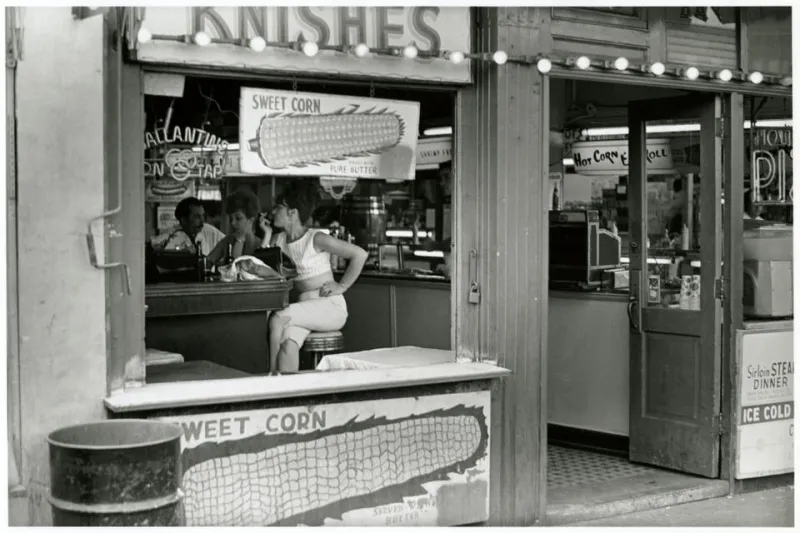
Photo: George Eastman House, No restrictions, via Wikimedia Commons
You don't think about it much. The meal ends, the check arrives, and your hand moves almost automatically to calculate fifteen, maybe twenty percent. It feels natural. It feels American.
It isn't, really. And a hundred years ago, a surprisingly loud coalition of Americans was doing everything in their power to stop it.
The story of how tipping went from controversial aristocratic import to unquestioned cultural contract is one of the stranger reversals in American social history.
It Came Over With the Luggage
Tipping as a formal practice traces its roots to 17th-century England, where wealthy households would leave coins for servants who had attended to them during visits. By the 19th century, the custom had spread to European restaurants and hotels, where it functioned as a kind of performance — a way for the upper class to signal generosity and social status while also keeping service workers motivated.
American travelers started picking up the habit in Europe during the Gilded Age. When they came home, they brought the custom with them the way they brought back foreign fashions and affected mannerisms — as a marker of sophistication. If you'd been to Paris, you tipped. If you tipped, you'd been to Paris.
For a country that had spent a century defining itself against European class hierarchies, this did not go over well.
The Anti-Tipping Society Was Real
By the early 1900s, the backlash had organized itself. In 1904, a formal Anti-Tipping Society of America was founded, and it attracted genuine membership. At its peak, the organization claimed around 100,000 members who had pledged to refuse tips as a matter of democratic principle.
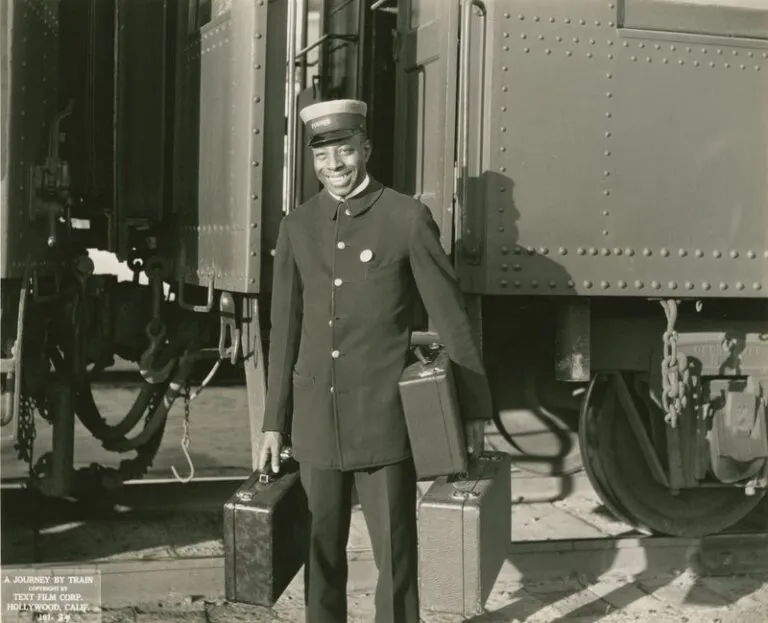 Photo: Anti-Tipping Society of America, via backintimetoday.com
The arguments against tipping were actually fairly sophisticated. Critics pointed out that it created a two-tier labor system where a worker's income depended not on their employer but on the mood and generosity of individual customers — an inherently unstable and demeaning arrangement. Progressive journalists called it a form of feudalism transplanted onto American soil. One editorial from the period described tipping as teaching grown men to grovel for coins like children begging for candy.
Several states took the argument seriously enough to act on it. Between 1909 and 1915, six states passed anti-tipping laws, making it illegal to offer or accept gratuities in certain service contexts. Washington, Mississippi, Arkansas, Iowa, South Carolina, and Tennessee all had versions of these statutes on the books at various points.
For a brief window, it genuinely looked like America might reject the whole thing.
Then Prohibition Walked In
The anti-tipping movement didn't die because Americans suddenly changed their minds about democratic values. It died because the economics of the restaurant industry collapsed — and tipping filled the hole.
When Prohibition took effect in 1920, restaurants lost their most profitable revenue stream overnight. Alcohol sales had been subsidizing food prices, staff wages, and overhead for decades. Without that income, operators faced a brutal choice: raise menu prices dramatically, cut staff, or find another way to compensate workers without it showing up on the balance sheet.
Tipping solved the problem elegantly — for the owners. If customers paid servers directly, the restaurant could justify lower base wages. The tip wasn't a bonus on top of a fair salary. It became the salary. Employers lobbied successfully to have tipped workers exempted from standard minimum wage protections, a carveout that still exists in federal law today.
The anti-tipping laws quietly disappeared. The Anti-Tipping Society dissolved. And a custom that had been framed as a threat to American dignity was repackaged as a gesture of personal generosity between a satisfied customer and a hardworking server.
How the Story Got Rewritten
The genius of the rebranding was that it shifted the moral weight entirely. Under the old European model, tipping was about the tipper's status. In the new American version, it was about the server's livelihood — and the customer's character. Not tipping became the selfish act, not the empowering one.
Restaurant industry lobbying reinforced this at every level. Trade groups pushed back against any attempt to revisit the tipped minimum wage. The logic was circular but effective: servers depend on tips, therefore tips must be protected, therefore the wage structure that makes tips necessary must be preserved.
By the postwar boom years, the debate was essentially over. The diner, the steakhouse, the cocktail lounge — tipping was woven into the fabric of American dining so completely that the earlier resistance had been almost entirely forgotten.
The Tab We're Still Paying
The federal tipped minimum wage has been stuck at $2.13 per hour since 1991 — a number so low it functions less as a wage than as a legal formality. The assumption built into that figure is that tips will make up the difference. Sometimes they do. Often they don't.
The debate the Anti-Tipping Society was having in 1904 — about whether it's fair to make workers financially dependent on customer discretion — never actually got resolved. It just got buried under a century of habit.
So the next time you're doing the mental math at the end of a meal, know that the reflex you're following isn't ancient American tradition. It's a Prohibition-era workaround that outlasted the crisis that created it — and a reminder that sometimes the customs we inherit aren't the ones we chose.