The Boardwalk Gimmick That Filled Every American Nursery With Stuffed Animals
Somewhere in most American homes — tucked in a closet, propped on a kid's bed, or quietly surviving in a storage bin — there's a stuffed animal. Maybe it's a bear. Maybe it's some shapeless plush creature from a fast food kids' meal. Either way, it's there. Soft toys are so embedded in American childhood that they barely register as a cultural choice anymore.
But the stuffed animal's path into the American home didn't begin in a toy store. It began on a sawdust-covered midway, behind a ring-toss booth, in the hands of a carny who needed something cheap enough to give away by the hundreds.
The Fairground Economy of Cheap Prizes
Traveling carnivals and boardwalk amusement parks were a fixture of American life from the 1880s onward. By the early 1900s, the midway game booth had become its own commercial ecosystem — and it ran entirely on prizes. The psychology was simple: the promise of winning something tangible kept players feeding coins into games. The trick for booth operators was finding prizes that looked valuable enough to motivate players but cost little enough to give away constantly without cutting into profits.
Early prizes ran the gamut: cheap glassware, paper fans, candy, small figurines. But somewhere in the first decade of the 20th century — right around the same moment Theodore Roosevelt's famous bear-sparing hunting trip was generating newspaper cartoons and a naming moment for the "teddy bear" — stuffed animals started appearing on carnival shelves.
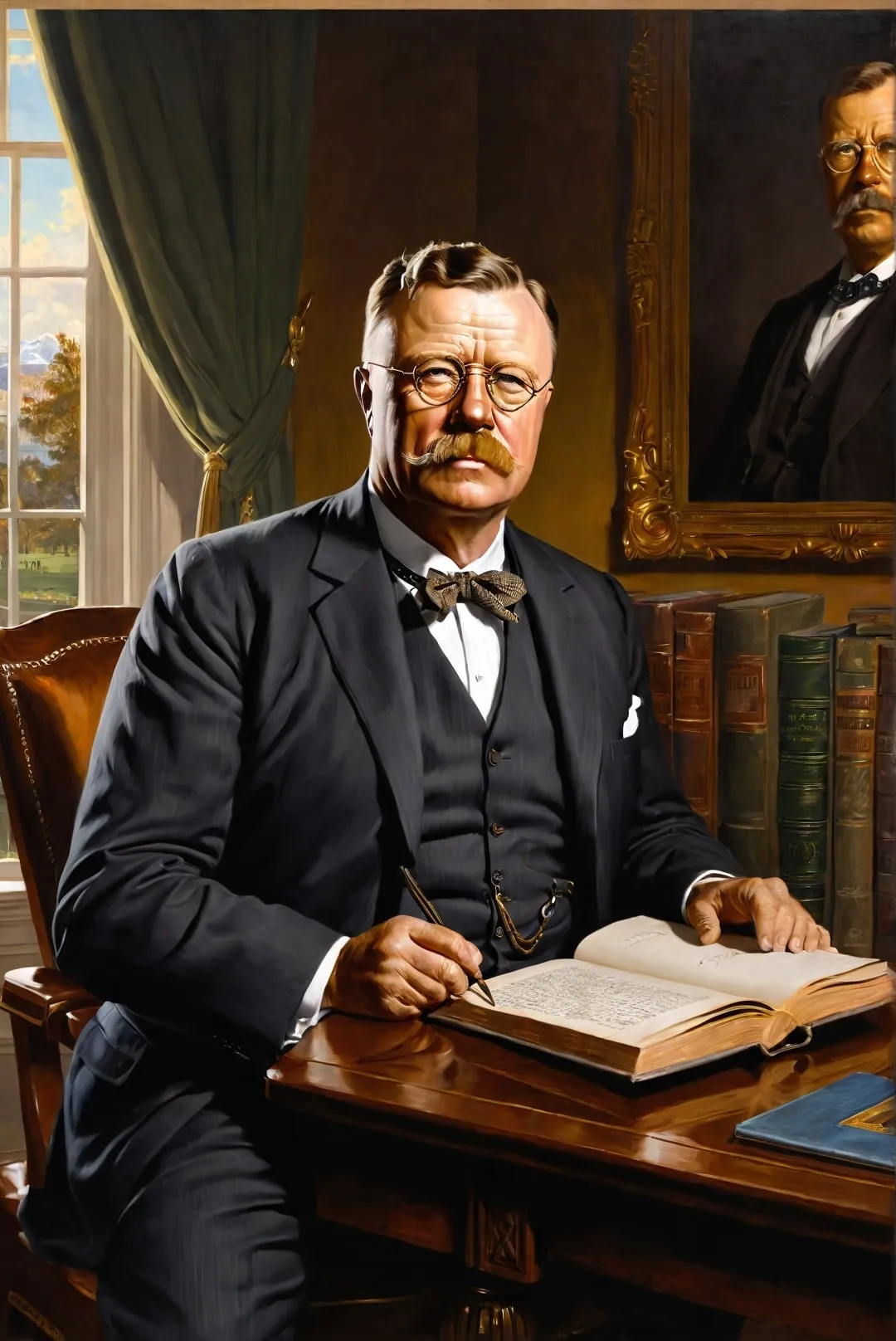 Photo: Theodore Roosevelt, via www.edupics.com
They were crude by modern standards. Rough stitching, basic shapes, fabric that didn't hold up especially well. But they were soft, they were large enough to look impressive hanging from a booth rack, and they were cheap to produce in volume. For carnival operators, they were nearly perfect.
Demand Flowing Backward Up the Chain
Here's where the story gets interesting. Carnival operators needed a reliable supply of soft toys in bulk, which meant they needed manufacturers willing to produce them at scale. That demand — coming not from toy stores or parents, but from game booth operators buying by the crate — nudged small American manufacturers to start building out real production capacity for stuffed animals.
Before this, stuffed toys in the U.S. were largely handmade or imported in small quantities from German manufacturers, particularly from the Steiff company in Bavaria, which had been producing high-quality stuffed animals since the 1880s. Those were expensive, artisan items — gifts for wealthy children, not mass-market products.
The carnival supply chain changed the math entirely. When you need ten thousand bears at a price point that makes sense for a ring-toss booth, you're not calling a German craftsperson. You're building a factory.
American manufacturers — initially concentrated in New York's garment district, where fabric sourcing and sewing infrastructure already existed — began producing stuffed animals in industrial quantities. The quality was modest, but the volume was unprecedented. By the 1910s and 1920s, a genuine domestic soft toy manufacturing industry had taken root, and it existed almost entirely because carnival operators needed cheap prizes.
From the Midway to the Nursery
The shift from carnival gimmick to childhood essential happened gradually, through a few converging forces.
First, children who won stuffed animals at fairs brought them home and loved them. Parents noticed. The stuffed animal arrived in the house as a prize, but it stayed as a comfort object — and that emotional stickiness was something toy retailers hadn't fully anticipated. Stores began stocking them, initially as novelties, then as reliable sellers.
Second, the teddy bear phenomenon — which had exploded in American popular culture after 1902 — gave stuffed animals a specific cultural identity. They weren't just toys. They were companions. Children named them, slept with them, and formed attachments that parents recognized as genuinely meaningful. That repositioned the stuffed animal from a throwaway fair prize to something worth spending real money on.
Third, as American manufacturing scaled up through the 1920s and 1930s, production quality improved and prices dropped enough that stuffed animals became accessible across income levels. They weren't luxury items anymore. They were just things that American kids had.
The Carnival Connection That Stuck Around
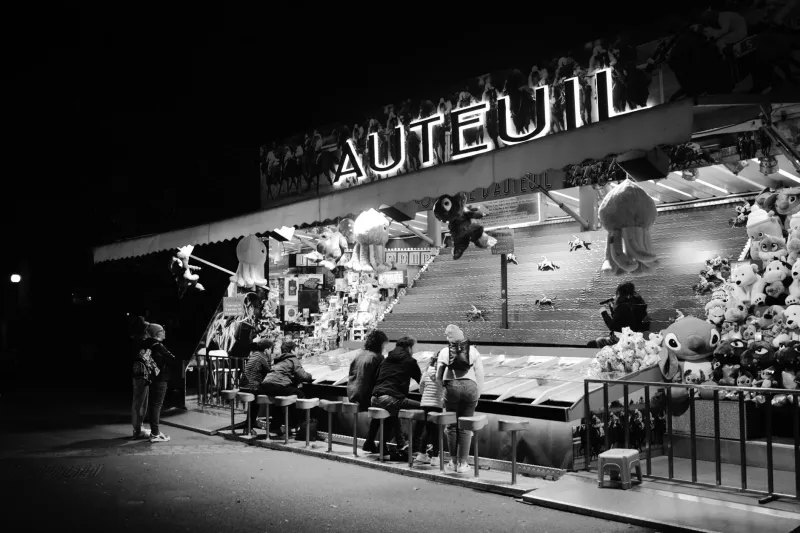
What's remarkable is that the carnival prize pipeline never actually went away. Walk into any state fair or boardwalk arcade in America today and you'll still find enormous stuffed animals hanging from booth rafters — the direct descendants of those early 20th century ring-toss prizes. The tradition is so persistent it's almost a parody of itself: the oversized panda you can't quite fit in your car, won after spending four times its retail value on a balloon-dart game.
But that pipeline also never stopped feeding the broader market. Manufacturers who built their businesses on carnival supply contracts eventually diversified into retail. Prize suppliers became toy companies. The infrastructure built to stock midway booths quietly became the infrastructure that stocked toy store shelves.
Soft, Cheap, and Everywhere
The stuffed animal is now a $10 billion global industry. In the United States, it's practically a rite of childhood passage — first toy, comfort object, bedroom decoration, and eventually a slightly embarrassing thing you still can't bring yourself to throw away.
None of that was planned. No toy executive sat down in 1905 and mapped out a strategy to make soft animals a childhood staple. It happened because carnival operators needed something impressive enough to hang on a rack and cheap enough to hand out all day long.
The boardwalk gimmick became a cultural institution. And it started with a ring-toss booth that needed to keep the customers coming back.