When GI Pocket Books Rewrote America's Reading DNA
The Paper Crisis That Changed Literature Forever
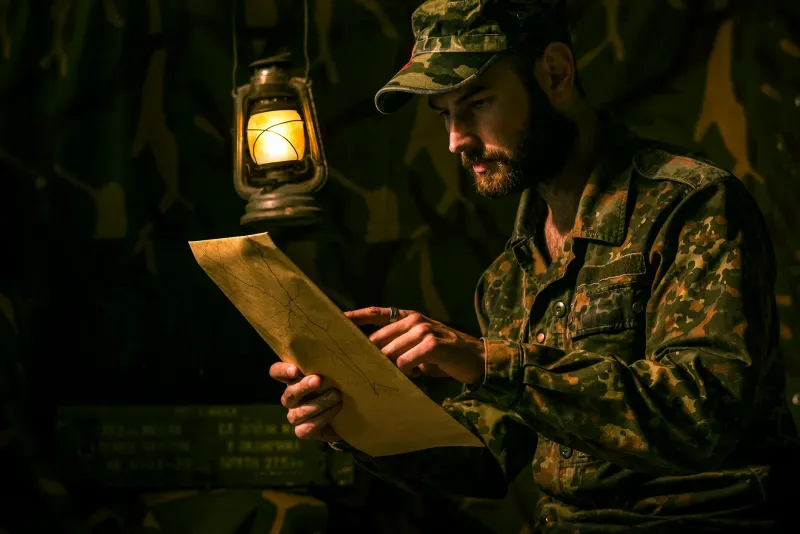
In 1943, American publishers faced a crisis that would accidentally reshape how an entire nation consumed books. World War II had created severe shortages of paper, ink, and binding materials needed for traditional hardcover books. At the same time, the U.S. government was desperately searching for ways to boost morale among millions of soldiers stationed overseas.
 Photo: World War II, via images.greenbuildingadvisor.com
The solution seemed simple: print books small enough to fit in a soldier's pocket, using minimal materials and cheap production methods. Nobody predicted that this wartime compromise would permanently rewire American reading habits and create a billion-dollar industry.
The Birth of the Paperback Revolution
The Armed Services Editions program launched with a radical idea—strip away everything that made books expensive and prestigious. No hardcovers, no dust jackets, no fancy typography. Just stories printed on the cheapest paper available, bound with a simple adhesive, and sized to fit in military uniform pockets.
 Photo: Armed Services Editions, via images.fineartamerica.com
Publishers initially resisted. Paperback books had existed in America since the 1930s, but they were considered lowbrow—the literary equivalent of pulp magazines. Serious literature came in hardcover. Paperbacks were for mystery novels and romance stories sold at train stations.
But paper rationing left publishers no choice. Between 1943 and 1947, they produced over 122 million Armed Services Editions, covering everything from classic literature to contemporary fiction, history, and technical manuals.
What Soldiers Actually Wanted to Read
The program revealed something publishers had never understood about American reading preferences. When given unlimited access to both highbrow and popular literature in identical formats, soldiers chose based purely on story appeal, not prestige.
Hemingway's "For Whom the Bell Tolls" was just as popular as detective novels. Shakespeare competed equally with contemporary fiction. Without the visual cues that separated "serious" literature from "entertainment," readers discovered they enjoyed a much wider range of books than the traditional publishing hierarchy suggested.
Letters from overseas revealed that soldiers were reading voraciously—often finishing several books per week. More importantly, they were sharing books, discussing them, and requesting specific authors and genres. The military postal service reported that requests for "more books like..." became one of the most common themes in letters home.
The Homecoming That Changed Publishing
When World War II ended, over 12 million American servicemen returned home with dramatically different expectations about books. They had spent years reading high-quality literature in cheap, portable formats. The idea of paying $3-4 for a hardcover novel (equivalent to about $40 today) suddenly seemed absurd.
Returning veterans flooded bookstores asking for "those little books like we had in the service." They wanted the same stories, the same convenience, and the same low prices they had enjoyed overseas. Traditional publishers, who had assumed the paperback experiment would end with the war, found themselves facing a consumer revolt.
The Cultural Shift Nobody Saw Coming
The GI generation didn't just want cheaper books—they had developed entirely new reading habits. Military life had taught them to read in short bursts, during breaks, while traveling, or waiting. They wanted books they could carry anywhere, books they could lend freely, and books they could abandon without guilt if the story didn't grab them.
This casual relationship with books horrified traditional publishers and librarians. Books were supposed to be treasured objects, carefully maintained and respectfully shelved. The idea of disposable literature seemed to threaten the very foundation of American literary culture.
But veterans didn't care about literary traditions. They cared about stories, and they had discovered that good stories didn't require expensive packaging.
The Infrastructure of Impulse Reading
Paperback publishers quickly realized they needed new distribution methods. Hardcover books were sold primarily in dedicated bookstores, which were rare outside major cities. Paperbacks needed to be available wherever people made impulse purchases—drugstores, train stations, airports, and supermarkets.
This distribution revolution created the modern concept of browsing for books. Instead of visiting a bookstore with a specific title in mind, Americans began discovering new authors while waiting for flights or picking up groceries. Reading became spontaneous rather than planned.
Airport bookstores, which became iconic symbols of American travel culture, exist entirely because of the paperback revolution that began with wartime rationing. The same impulse-buying infrastructure eventually enabled everything from book clubs to online retailers.
From Pocket Books to Pixels
The cultural changes triggered by those wartime paperbacks continue shaping how Americans consume literature today. The expectation that books should be immediately available, reasonably priced, and completely portable created the psychological foundation for digital reading.
When Amazon introduced the Kindle in 2007, they weren't selling a new technology—they were fulfilling desires that had been programmed into American reading culture by those 1943 Armed Services Editions. The promise of instant access to thousands of books, all the same size and weight, was essentially a digital version of what soldiers had experienced during World War II.
 Photo: Amazon Kindle, via i.pinimg.com
Even the pricing psychology of e-books traces back to the paperback revolution. The expectation that books should cost less than a cup of coffee, the willingness to buy books impulsively, and the comfort with "disposable" reading experiences all originated with veterans who returned from war expecting literature to be accessible rather than precious.
The Accidental Democracy of Stories
Perhaps the most profound change was cultural rather than commercial. By removing the visual and economic barriers between "serious" and "popular" literature, the paperback revolution democratized American reading culture. Stories began competing purely on their ability to engage readers, regardless of their academic pedigree or critical reputation.
This shift influenced everything from bestseller lists to university literature courses. Authors began writing for readers rather than critics. Publishers started measuring success by sales rather than prestige. The entire ecosystem of American literature became more responsive to what people actually wanted to read.
The next time you grab a paperback at the airport or download a book to your phone, remember: you're participating in a cultural revolution that began with ink rationing and homesick soldiers. What started as a wartime necessity became the foundation of how Americans think about books, stories, and the democratic right to read whatever you want, wherever you want, whenever you want.