The Kitchen Disaster That Brewed America's Morning Ritual
When Everything Went Wrong in New Orleans
The morning of November 15, 1884, started like any other at Café du Monde in New Orleans' French Quarter. Restaurant owner Hippolyte Bégin-Callé had just received a expensive shipment of green coffee beans from Central America – enough to last his establishment several weeks.
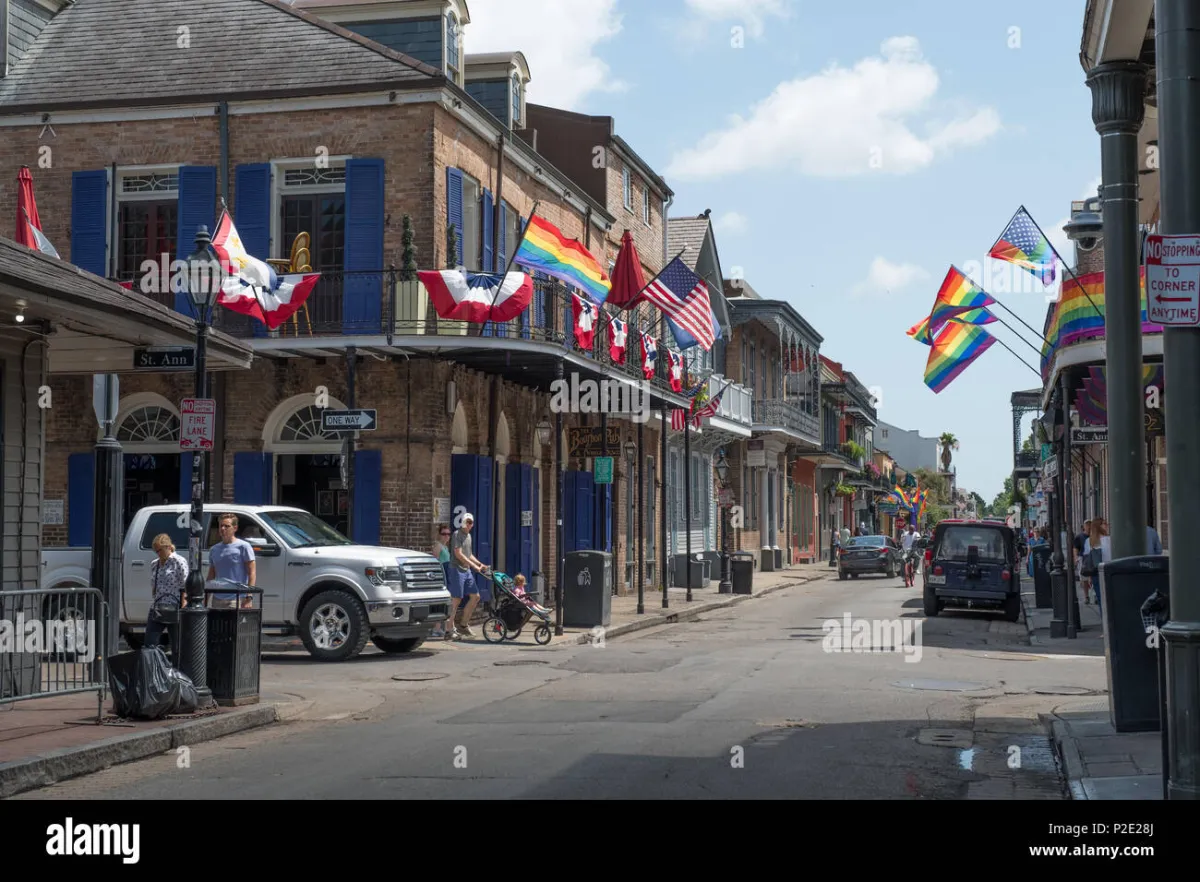 Photo: New Orleans, via c8.alamy.com
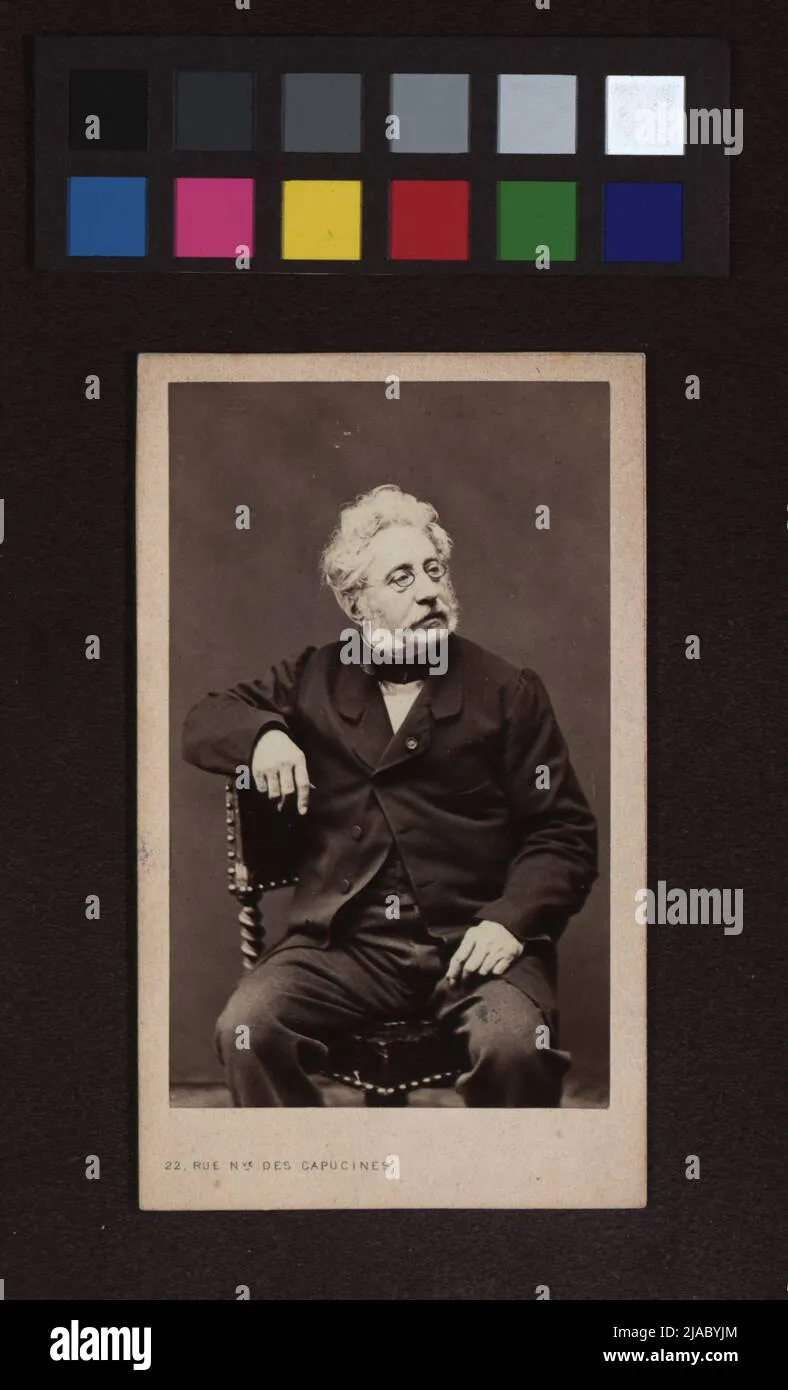 Photo: Hippolyte Bégin-Callé, via c8.alamy.com
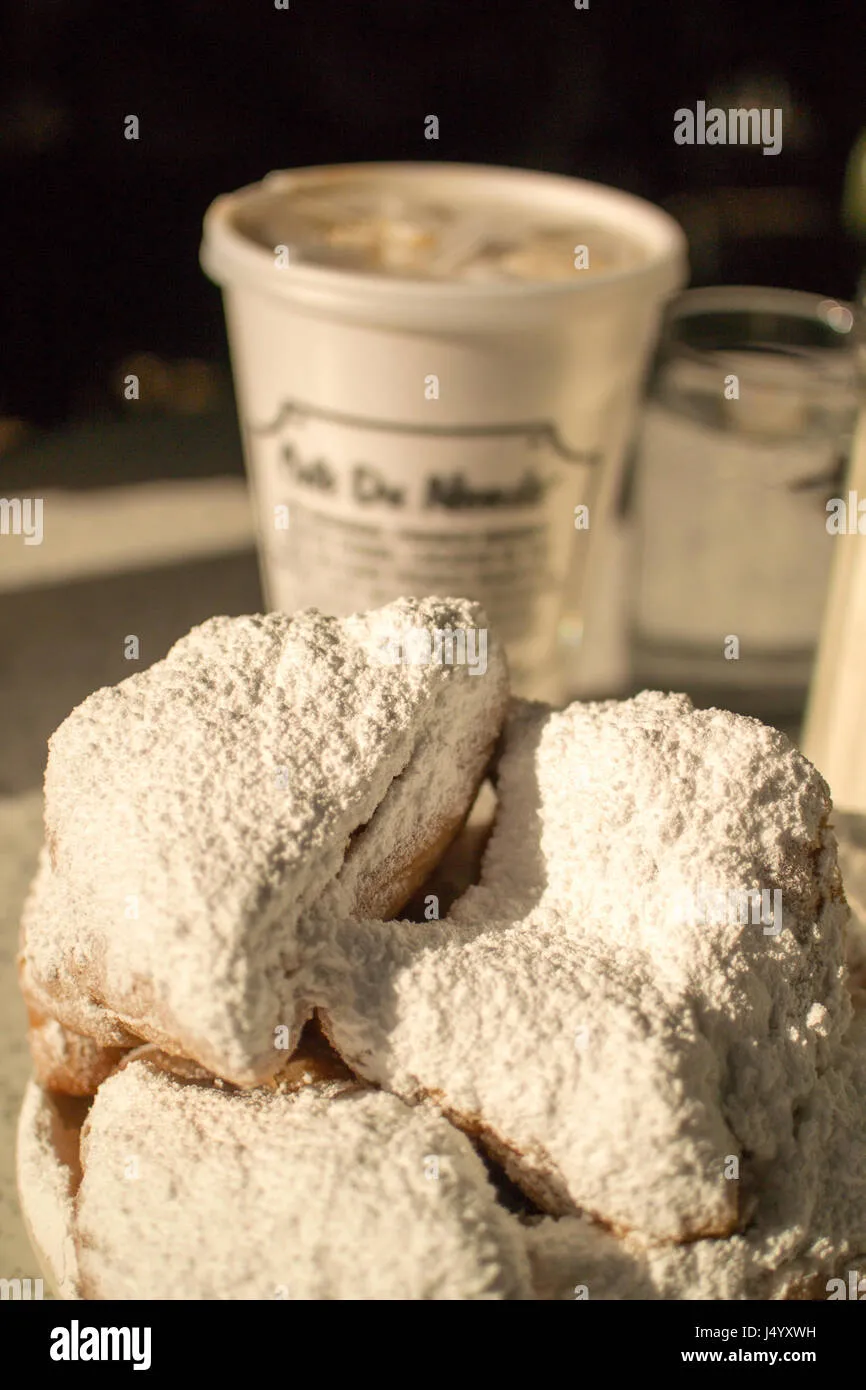 Photo: Café du Monde, via c8.alamy.com
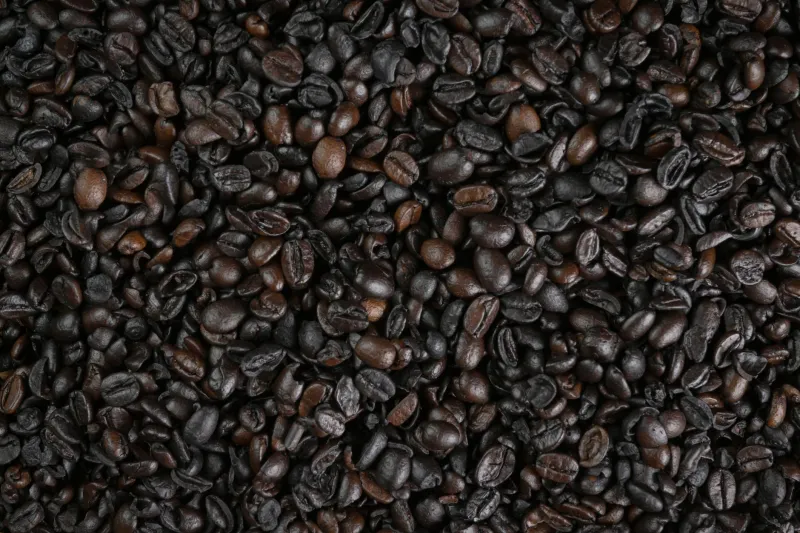
But that afternoon, disaster struck. Bégin-Callé's assistant, distracted by a commotion in the street, left the beans roasting far too long. When they finally remembered to check the roaster, the beans were nearly black, releasing an acrid smoke that filled the entire café.
Most business owners would have thrown out the ruined batch and absorbed the loss. Coffee was expensive, but burned coffee was worthless – or so conventional wisdom suggested. Bégin-Callé, however, was facing a cash flow crisis and couldn't afford to waste his investment.
The Desperate Gamble
Rather than discard the over-roasted beans, Bégin-Callé made a desperate decision: he'd brew the burned batch and see if customers would drink it. He figured he could offer it at a discount and recoup some of his losses.
What happened next surprised everyone. The over-roasted beans produced an intensely dark, bitter brew unlike anything his customers had tasted. Instead of complaining, they began asking for seconds. The burned beans had created a coffee with a bold, robust flavor that cut through the humid New Orleans air and paired perfectly with the café's sweet beignets.
Word spread quickly through the French Quarter. Within days, customers were specifically requesting the "dark roast" that had started as Bégin-Callé's accident. Other coffee houses in New Orleans began trying to replicate the mistake, experimenting with longer roasting times to achieve that same intense flavor profile.
From Local Quirk to Regional Identity
The dark roast accident aligned perfectly with New Orleans' unique cultural identity. The city had always been a place where necessity bred innovation – where cooks created jambalaya from whatever ingredients were available, where musicians blended African rhythms with European melodies to create jazz.
Bégin-Callé's burned coffee became part of this tradition of creative adaptation. Local coffee roasters began perfecting the dark roast technique, developing what became known as "New Orleans style" coffee – dark, strong, and often mixed with chicory to stretch the expensive beans during economic hardships.
The mistake had accidentally created a regional coffee culture that reflected the city's working-class sensibilities. This wasn't delicate, aristocratic coffee – this was bold fuel for longshoremen, streetcar operators, and market vendors who needed something strong enough to power them through long, hot days.
The Military Connection
World War II inadvertently spread New Orleans' accidental coffee culture across America. Military procurement officers, sourcing supplies for troops, discovered that dark-roasted coffee traveled better than lighter roasts. The intense roasting process reduced moisture content, preventing spoilage during long shipments overseas.
Soldiers from across the country encountered this bold coffee style in military mess halls. When they returned home after the war, many sought out the same intense flavor they'd grown accustomed to in the service. Coffee roasters in other cities began experimenting with darker roasts to satisfy returning veterans' tastes.
The Chain Reaction Revolution
By the 1960s, dark roast coffee had evolved from Bégin-Callé's accident into a distinctly American preference. When Howard Schultz visited Italian espresso bars in the 1980s and decided to bring that café culture to America, he built Starbucks around dark-roasted coffee – unknowingly channeling the same bold flavor profile that had started with burned beans in New Orleans a century earlier.
Starbucks' success sparked the specialty coffee revolution, with countless chains and independent roasters embracing dark roasts as their signature style. The "burnt" flavor that had once been an accident became a deliberate choice, marketed as sophisticated and European-inspired.
The Morning Ritual Revolution
Bégin-Callé's kitchen disaster had accidentally rewired American morning routines. The bold flavor of dark roast coffee created a more intense caffeine experience that became central to how Americans started their days. Unlike the genteel coffee culture of earlier eras, this was coffee as fuel – strong enough to cut through morning grogginess and establish alertness.
This shift influenced everything from office culture to home appliance design. Coffee makers became more powerful to extract maximum flavor from dark beans. Drive-through coffee shops emerged to serve commuters who needed their bold morning fix on the go.
The Accidental Legacy
Today, America consumes more dark roast coffee than any other style – a direct descendant of Bégin-Callé's burned batch. Every cup of Starbucks Pike Place, every French roast blend, every "bold" coffee option traces back to that November afternoon in 1884 when desperation turned disaster into discovery.
The irony is remarkable: what started as a ruined batch of beans accidentally created the coffee culture that now defines American mornings. Bégin-Callé never intended to revolutionize how a nation drinks coffee – he just couldn't afford to throw away his mistake.