How Death Taught America to Mow the Lawn
The Ritual Every American Knows
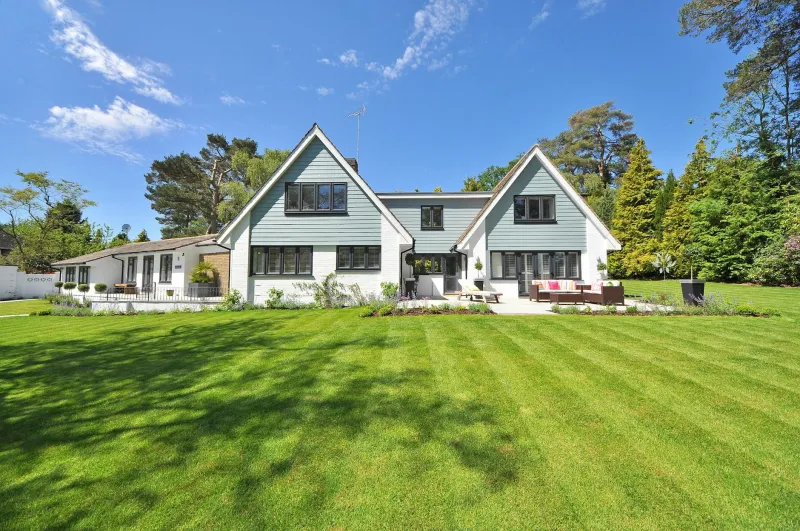
Every weekend, millions of Americans participate in a ritual so universal it's practically invisible: mowing the front lawn. We edge, water, fertilize, and obsess over patches of grass with an intensity that would puzzle visitors from most other cultures. But this seemingly natural suburban tradition has surprisingly morbid origins.
The American obsession with perfect grass began not in subdivisions, but in graveyards.
The Business of Beautiful Death
In the 1830s, American cities faced a growing problem: traditional churchyard cemeteries were running out of space, and urban burial grounds were becoming overcrowded, unsanitary reminders of mortality right in the heart of town. The solution came from an unlikely source—landscape architects who had been studying English garden design.
The first "rural cemetery" opened outside Boston in 1831. Mount Auburn Cemetery broke every rule of American burial tradition. Instead of cramped urban plots with towering headstones, it offered rolling hills, carefully planned tree groves, and most importantly, vast expanses of perfectly maintained grass.
 Photo: Mount Auburn Cemetery, via live.staticflickr.com
The landscaping wasn't accidental—it was a deliberate marketing strategy.
Selling Serenity
Cemetery developers quickly realized they weren't just selling burial plots; they were selling peace of mind. Grieving families wanted to believe their loved ones were resting in a place that felt more like a park than a graveyard. The manicured lawns, imported from European estate design, created an atmosphere of tranquil prosperity that made death seem less frightening.
The grass served a practical purpose too. Unlike the wild growth that characterized rural burial grounds, maintained lawns made cemeteries feel controlled and civilized. Families could visit graves without fighting through weeds or worrying about the untamed wilderness that most Americans associated with death and decay.
Within two decades, the "lawn cemetery" model had spread across the country. From Laurel Hill in Philadelphia to Graceland in Chicago, American cities competed to create the most beautiful, most peaceful final resting places money could buy.
 Photo: Laurel Hill, via c8.alamy.com
The Suburban Connection
The leap from cemetery to subdivision happened in the 1870s, when housing developers began studying what made certain neighborhoods more desirable than others. They noticed something interesting: the areas around the new rural cemeteries commanded higher property values and attracted wealthier residents.
Real estate entrepreneurs started asking a logical question: if cemetery landscaping made people feel peaceful and prosperous, why not use the same techniques for the living?
The first planned suburban developments borrowed heavily from cemetery design. Curved streets, mature trees, and most importantly, the requirement that every homeowner maintain a front lawn that matched their neighbors'. The grass that had made death seem serene was now being used to make life seem successful.
The Lawn as Social Contract
By the 1920s, the front lawn had evolved from cemetery aesthetic to social requirement. Housing developments included deed restrictions mandating grass maintenance, and neighborhood associations formed to enforce lawn standards. What started as a way to make graveyards more appealing had become a way for communities to signal respectability and shared values.
The psychology was identical to the cemetery model: a well-maintained lawn suggested that the people behind it had their lives under control. Just as cemetery visitors felt reassured by perfect grass around grave sites, neighbors felt reassured by perfect grass around family homes.
The Chemical Revolution
The post-World War II suburban boom transformed lawn maintenance from a luxury into an expectation. Returning veterans, flush with GI Bill benefits and eager to establish their place in peacetime America, embraced the front lawn as a symbol of domestic success.
Chemical companies, looking for new markets for wartime pesticide and fertilizer technology, found eager customers in suburban homeowners who wanted their grass to look as perfect as the cemetery lawns that had inspired the whole tradition.
By the 1950s, lawn care had become a weekend ritual performed by millions of Americans who had no idea they were participating in a tradition that began with 19th-century funeral directors trying to make death more marketable.
The Persistence of Borrowed Beauty
Today, Americans spend over $40 billion annually on lawn care, maintaining grass with an intensity that would have impressed the cemetery groundskeepers who started the whole tradition. The irony is perfect: a practice designed to make death seem peaceful became the most stressful weekend chore in American suburbia.
The next time you're pushing a mower across your front yard, remember you're participating in a ritual that began when funeral industry marketers realized that death sells better when it's surrounded by perfect grass. The American dream of suburban prosperity is literally built on a foundation borrowed from the grave.
From Graveyards to Neighborhoods
The transformation is complete: what once distinguished cemeteries from the messy world of the living now distinguishes respectable neighborhoods from everywhere else. The beautiful death that 19th-century cemetery designers promised has become the beautiful life that American suburbs deliver, one perfectly mowed lawn at a time.
Sometimes our most cherished traditions come from the most unexpected places. In this case, the ritual that defines American suburban life began with people who were trying to make dying seem a little less scary.