The Gadget TV Executives Called 'Pure Laziness' That Became America's Weekend Obsession
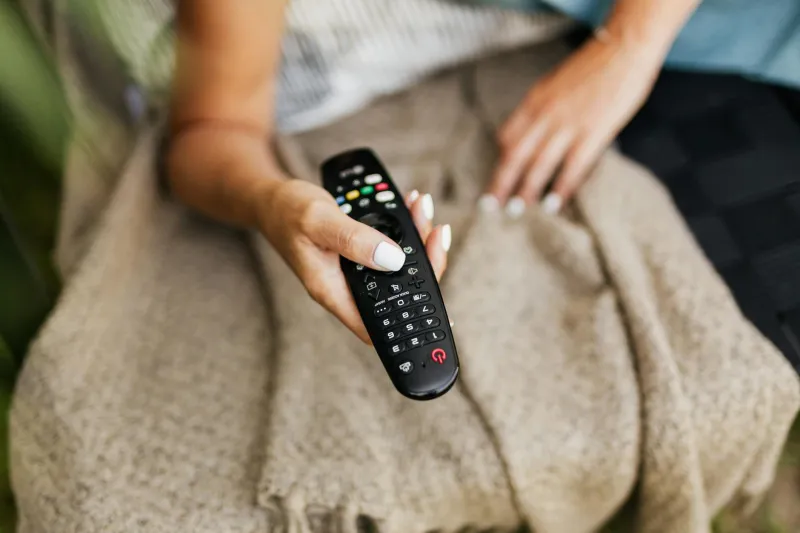
The Invention Nobody Wanted
Picture this: It's 1950, and television is still a novelty in most American homes. Families gather around their single TV set, taking turns getting up to change the channel or adjust the volume. Then along comes Eugene Polley, an engineer at Zenith Electronics, with what he thought was a brilliant idea—a device that could change channels from across the room.
The response from TV executives was swift and brutal: "This will make Americans lazy."
Network bosses weren't just skeptical—they were openly hostile. They argued that getting up to change channels was good exercise, and that families should discuss programming choices together. The remote control, they claimed, would turn Americans into mindless couch potatoes who'd flip through channels without purpose.
They had no idea how right they'd be—or how much money they'd make from it.
The Flashmatic Flop
Polley's first remote, called the "Flashmatic," was essentially a flashlight that viewers pointed at the TV. When the light hit photoelectric cells in the corners of the screen, it would change channels or adjust volume. Zenith proudly advertised it as "the lazy man's remote control," completely missing how that tagline would backfire.
The device was a disaster. Sunlight streaming through windows would randomly change channels. Table lamps could accidentally turn off the TV. And if you wanted to change channels, you had to have perfect aim—something that proved nearly impossible in a dimly lit living room.
Sales were dismal. Other manufacturers laughed at Zenith's "gimmick." TV Guide ran articles about how the remote control was solving a problem that didn't exist. One columnist wrote, "Walking to the television builds character and keeps families active."
The Ultrasonic Revolution
But Polley wasn't done. In 1956, working with fellow engineer Robert Adler, he developed something far more sophisticated: the "Space Command" remote. Instead of light, it used ultrasonic sound waves—frequencies too high for human ears to detect.
This version actually worked. Point it at the TV, press a button, and the channel changed reliably every time. No more getting up during commercial breaks. No more family arguments about who had to walk across the room. No more missing the beginning of shows because someone was still fiddling with the antenna.
Zenith's marketing department was terrified. They'd already been mocked for promoting laziness. How could they sell a device that would make people even more sedentary?
Their solution was genius: they stopped marketing it as a convenience device and started positioning it as a luxury item. The Space Command wasn't for lazy people—it was for sophisticated viewers who deserved effortless control over their entertainment experience.
The Saturday Morning Game Changer
What happened next surprised everyone, including Zenith.
American families didn't just use the remote to avoid getting up during commercials. They started doing something completely new: channel surfing. For the first time in television history, viewers could sample multiple shows in rapid succession, creating their own entertainment experience.
Saturday mornings became a particular battleground. Kids would wake up early, grab the remote, and spend hours flipping between cartoons, creating personalized viewing marathons. Parents found themselves doing the same thing during weekend sports broadcasts, checking scores across multiple games simultaneously.
The remote control didn't just change how Americans watched TV—it fundamentally altered when and why they watched. Suddenly, television became an active rather than passive experience. Viewers were no longer committed to watching entire programs. They became entertainment curators, sampling and switching based on momentary interest.
The Unintended Cultural Revolution
By the 1960s, the remote control had sparked behaviors that TV executives never anticipated. Families developed elaborate rituals around "remote control etiquette." Who got to hold it? When could you change channels? How long did you have to watch something before switching?
The device also created America's first generation of "power users"—typically the family patriarch who controlled weekend viewing with an iron fist. The phrase "channel surfing" entered common usage, describing a uniquely American form of entertainment consumption.
More importantly, the remote control laid the groundwork for our modern relationship with media. It taught Americans that they could customize their entertainment experience, a concept that would later evolve into DVRs, streaming services, and on-demand everything.
The Lazy Man's Last Laugh
Today, the average American home has four remote controls. We've gone from devices that TV executives called "unnecessary luxury items" to essential tools that control everything from televisions to sound systems to smart home devices.
The remote control industry is now worth billions of dollars annually. Americans spend approximately 2.7 hours per day watching television, and studies show we change channels an average of 132 times during that period—a behavior that would have been impossible without Eugene Polley's "lazy man's" invention.
Those TV executives who worried about American laziness? They were partially right. The remote control did change how we consume entertainment, making us less likely to commit to full programs and more likely to graze across multiple channels.
But they were wrong about the bigger picture. The remote control didn't make Americans lazy—it made us choosy. And that choosiness would eventually reshape the entire entertainment industry, forcing networks to create better content to capture and hold our increasingly divided attention.
Every time you settle in for a Saturday morning of channel surfing, you're participating in a ritual that began with a rejected patent and a device that everybody said nobody needed.