The Sport Nobody's Parents Wanted Them Playing
In 1940, if you mentioned bowling to most middle-class American families, you'd get the same reaction as suggesting your kids take up pool hall hustling. Bowling alleys were dark, smoky basement operations clustered in industrial neighborhoods, where factory workers gathered to drink, gamble, and settle disputes with something heavier than words.
The typical bowling establishment looked nothing like today's family-friendly centers. Most were cramped, poorly ventilated spaces with hand-operated pin setters—usually teenage boys who'd duck behind the pins, reset them manually, and roll the ball back down a wooden gutter. The air reeked of cigarettes, stale beer, and the particular mustiness that comes from decades of spilled drinks soaking into wooden floors.
Respectable families avoided these places entirely. Bowling was working-class entertainment with a working-class reputation, and the middle class wanted nothing to do with either.
When America Ran Out of Rubber
Then Pearl Harbor changed everything, including the future of ten-pin bowling. As America mobilized for World War II, the government rationed materials needed for the war effort. Steel went to shipyards and aircraft factories. Aluminum disappeared into bomber production. And rubber—crucial for everything from military vehicles to medical supplies—became so scarce that civilians couldn't buy new tires.
Bowling equipment manufacturers faced a crisis. Traditional bowling balls were made with hard rubber cores, but that rubber was now earmarked for military use. Pin manufacturers used rubber in their machinery. Even the cushions that absorbed ball impact at the end of lanes contained rationed materials.
Faced with potential extinction, the industry got creative. Manufacturers experimented with new materials: plastic composites for balls, different wood treatments for pins, innovative cushioning systems that used no rubber at all. The war that threatened to kill bowling accidentally forced it to evolve.
The new equipment performed differently than the old rubber-core gear. Balls rolled more predictably. Pins fell in more consistent patterns. The game became less about compensating for equipment quirks and more about skill and technique. Without realizing it, wartime rationing had made bowling more accessible to casual players.
The GI Bill Builds Bowling Alleys
When veterans returned home in 1945, they brought unexpected attitudes about leisure and community. Many had learned to bowl at military bases, where the sport served as cheap entertainment and stress relief. Unlike their parents' generation, these veterans didn't associate bowling with disreputable characters or questionable neighborhoods.
The GI Bill provided low-interest loans for business ventures, and enterprising veterans saw opportunity in bowling. Instead of opening traditional basement alleys in industrial areas, they built modern facilities in suburban locations. These new bowling centers featured better lighting, improved ventilation, snack bars, and—crucially—parking lots designed for the car-owning middle class.
The architecture itself signaled respectability. Clean lines, large windows, family-friendly amenities. These weren't dark basement gambling dens—they were community recreation centers that happened to feature bowling. The sport was getting a complete image makeover, one suburban strip mall at a time.
The Television Broadcast That Changed Everything
But the real transformation happened on a Saturday afternoon in 1950, when NBC decided to fill empty airtime with an experimental broadcast from a Chicago bowling alley. Television was still new enough that programmers would try almost anything to fill the schedule, and a bowling tournament seemed like harmless, inexpensive content.
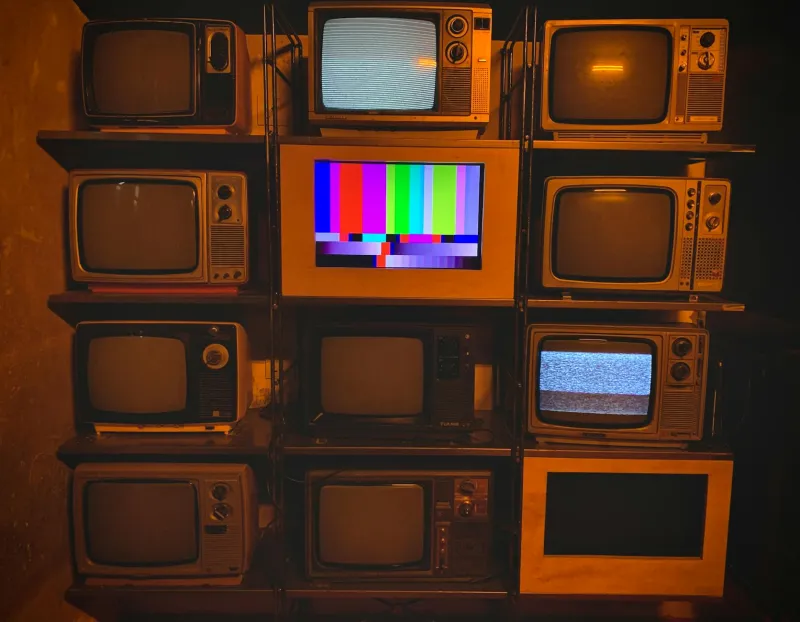
What happened next surprised everyone involved. American families, gathered around their new television sets, discovered that bowling was actually entertaining to watch. The tension of waiting to see if all ten pins would fall translated perfectly to the small screen. The sport's simple scoring system was easy for viewers to follow. And unlike baseball or football, bowling matches fit neatly into television time slots.
More importantly, television revealed bowling's democratic appeal. Viewers could watch ordinary people—not professional athletes—competing in a sport that looked achievable. The players on screen weren't superhuman specimens; they were regular folks who'd gotten really good at rolling a ball down a wooden lane.
Within months, bowling programs were appearing on networks across the country. "Bowling for Dollars" became a staple of afternoon programming. Professional bowlers became minor celebrities. The sport that had been hidden in basement alleys was suddenly playing in America's living rooms.
The Suburban Bowling Boom
Television exposure created demand that suburban entrepreneurs rushed to meet. Throughout the 1950s, bowling alleys sprouted in shopping centers and strip malls across America. These weren't the cramped, smoky establishments of the past—they were spacious, well-lit facilities designed for families.
The new alleys featured innovations that would have seemed impossible in 1940: automatic pin-setting machines, computerized scoring, climate control, and full-service restaurants. Some centers added childcare services so parents could bowl while kids played safely nearby. League play expanded beyond factory workers to include church groups, school fundraisers, and company teams.
Bowling became the perfect suburban social activity: affordable enough for regular participation, skill-based enough to feel rewarding, and social enough to build community connections. Unlike golf, which required expensive equipment and exclusive club memberships, bowling welcomed anyone who could afford to rent shoes and pay by the game.
America's Most Democratic Sport
By 1960, bowling had completed one of the most dramatic image transformations in American sports history. The activity that respectable families had avoided just twenty years earlier was now the nation's most popular participation sport. More Americans bowled regularly than played golf, tennis, and baseball combined.
The transformation went beyond mere popularity—bowling had become genuinely democratic in ways that few other sports achieved. Age didn't matter; grandparents bowled alongside grandchildren. Gender didn't matter; women's leagues were just as competitive and well-attended as men's. Income didn't matter; factory workers and executives rolled balls down identical lanes with identical rules.
Bowling alleys became community gathering places where social barriers dissolved, at least temporarily. The sport's handicap system meant that average players could compete meaningfully against experts. League play created social networks that crossed traditional class and ethnic boundaries.
The Accidental Revolution
Looking back, it's remarkable how a rubber shortage accidentally democratized American leisure. Without wartime rationing forcing equipment improvements, bowling might have remained trapped in its working-class reputation. Without veteran entrepreneurs building suburban alleys, the sport might never have reached middle-class families. Without television exposure, it might have remained a regional curiosity.
Each change seemed logical at the time, but nobody planned the larger transformation. Equipment manufacturers were just trying to stay in business during wartime. Veterans were looking for entrepreneurial opportunities. Television programmers needed content to fill empty hours. The combination created something nobody had imagined: America's most inclusive sport.
Today, as bowling faces competition from video games and streaming entertainment, it's easy to forget how revolutionary the sport once seemed. Those suburban bowling alleys that defined American leisure for decades started as an accident of war, built by veterans with GI Bill loans, and popularized by experimental television broadcasts.
The smoky gambling dens of the 1930s had been transformed into the family entertainment centers of the 1950s, not through careful planning but through a series of unrelated events that accidentally aligned to create something entirely new. Sometimes the most profound cultural changes happen when nobody's paying attention.