The Melted Candy Bar That Revolutionized American Kitchens
The Moment Everything Changed
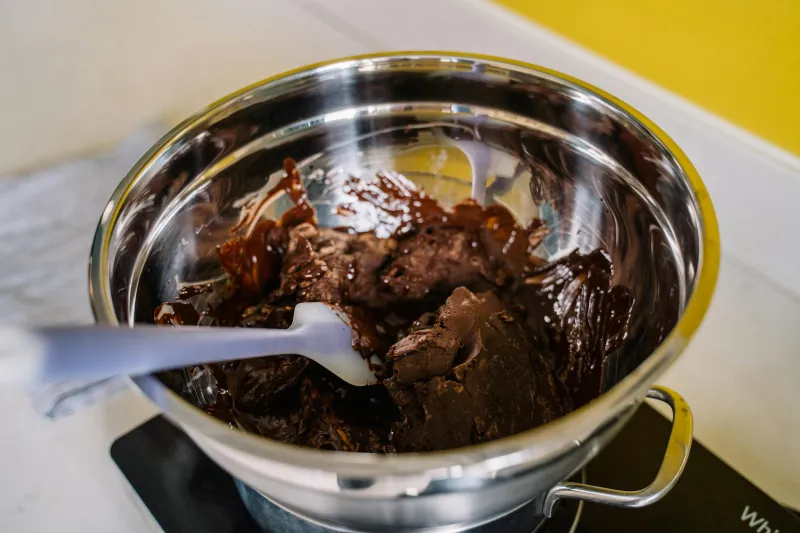
Percy Spencer was having a perfectly ordinary day at Raytheon's lab in 1945, testing military radar equipment, when he reached into his pocket and found something that would change American kitchens forever. His chocolate bar had turned into a gooey mess.
Most people would have cursed, tossed the ruined candy, and moved on. Spencer did something different—he got curious.
The 50-year-old engineer had been working with magnetrons, the radar devices that helped win World War II by detecting enemy aircraft. These powerful vacuum tubes generated microwaves, invisible electromagnetic waves that bounced off planes and ships. But Spencer noticed something nobody else had: they were also cooking his lunch.
From Weapons to Snacks
Spencer wasn't your typical corporate researcher. A self-taught engineer who never finished grammar school, he had a reputation for tinkering and asking "what if?" So when his chocolate melted, he didn't see a mess—he saw possibility.
The next day, Spencer brought popcorn kernels to the lab. He held them near the magnetron, and within seconds, they exploded into fluffy white popcorn. Then he tried an egg, which promptly burst all over a skeptical colleague's face.
By 1947, Raytheon had built the first commercial microwave oven. They called it the "Radarange," a name that screamed "military technology repurposed for civilians." At six feet tall, 750 pounds, and costing $5,000 (about $60,000 today), it was less kitchen appliance and more kitchen monument.
The Trust Problem
Here's where the story gets interesting: Americans wanted nothing to do with it.
The concept of "radiation cooking" terrified people who had just lived through Hiroshima and Nagasaki. The word "radiation" conjured images of atomic bombs, not reheated leftovers. Even though microwaves are non-ionizing radiation—completely different from nuclear radiation—try explaining that to a housewife in 1950s America.
Restaurants and airlines bought a few Radaranges for quick heating, but home adoption was virtually zero. The appliance that would eventually sit in 90% of American kitchens spent its first two decades as an expensive curiosity.
The Shrinking Revolution
Everything changed in 1967 when Amana, a subsidiary of Raytheon, released the first countertop microwave. At $495 (still about $4,000 today), it was expensive but no longer required its own zip code.
More importantly, Amana changed the marketing. Out went scary terms like "radar" and "radiation." In came friendly phrases like "microwave cooking" and "electronic oven." They emphasized convenience over technology, showing busy families heating dinner in minutes instead of hours.
The timing was perfect. Women were entering the workforce in record numbers during the 1960s and 70s. The microwave promised something revolutionary: a hot meal without the cooking.
America Warms Up
By 1975, microwave sales finally surpassed gas ranges. The appliance that had once seemed like science fiction became as American as apple pie—especially if you were reheating that pie.
The microwave changed more than cooking; it changed American eating habits entirely. It enabled the rise of frozen dinners, made leftovers actually appealing, and created an entire vocabulary around "nuking" food. College students could survive on Cup O' Noodles and Hot Pockets. Office workers could eat lunch at their desks.
The Accidental Legacy
Spencer never could have predicted that his curiosity about a melted candy bar would reshape American culture. He held 300 patents during his career, but none had the everyday impact of that accidental discovery in 1945.
Today, the microwave is so mundane we barely think about it. We "zap" leftovers, "nuke" frozen burritos, and complain when something takes more than two minutes to heat. The appliance that once terrified Americans with its mysterious radiation has become the epitome of instant gratification.
Why It Matters Today
The microwave's journey from military accident to kitchen staple reveals something fascinating about American innovation: sometimes our biggest breakthroughs happen when we pay attention to the unexpected.
Spencer's melted chocolate bar reminds us that curiosity—not just intelligence—drives progress. In our rush to solve big problems, we often miss the small accidents that could change everything.
Next time you heat up yesterday's pizza, remember Percy Spencer and his ruined candy bar. Sometimes the most revolutionary discoveries are hiding in our pockets, waiting for someone curious enough to ask "why did that happen?" instead of just throwing it away.